


The Ultimate Uganda Gorilla Trekking Guide
Uganda gorilla trekking is one of Africa’s most extraordinary wildlife experiences. Deep in the ancient forests of southwestern Uganda, you have the opportunity to trek through dense montane vegetation in search of endangered mountain gorillas living in their natural habitat.
For many travelers, Uganda offers an appealing combination of authentic gorilla encounters, diverse safari experiences, beautiful landscapes, and flexible travel options. Gorilla trekking takes place in Bwindi Impenetrable National Park and Mgahinga Gorilla National Park, both located in southwestern Uganda.
Whether you are planning your first Uganda gorilla safari, comparing Uganda and Rwanda, or looking for a complete guide to gorilla trekking permits, trekking sectors, accommodation, costs, and the best time to visit, this guide covers the essential information you need.
Why Go Gorilla Trekking in Uganda?
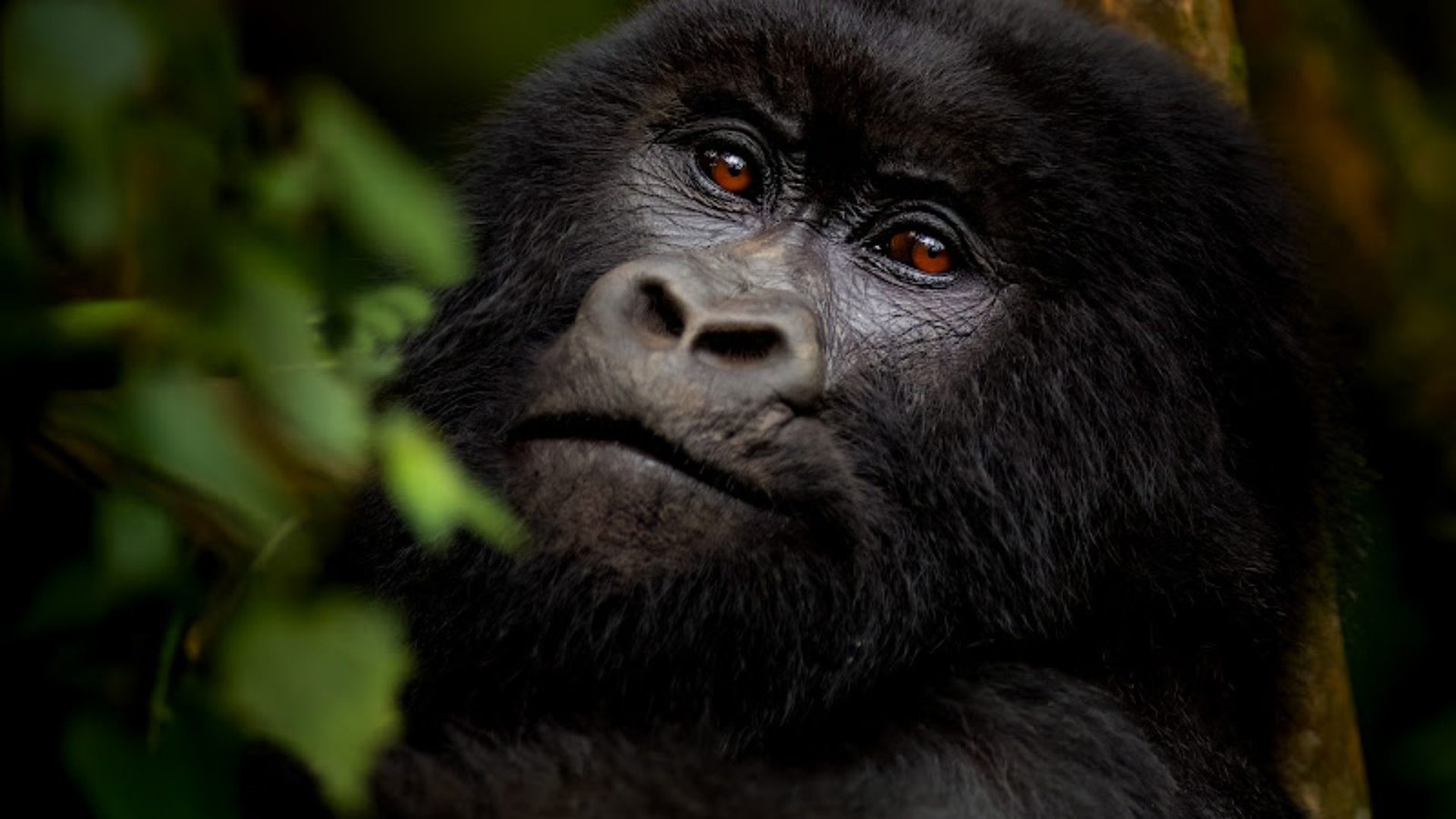 Uganda is one of the few countries where you can trek mountain gorillas in their natural forest habitat. The experience takes you beyond conventional wildlife viewing. Rather than observing animals from a vehicle, you hike through the forest with experienced guides and trackers until you locate a habituated gorilla family.
Bwindi Impenetrable National Park is Uganda’s primary gorilla trekking destination. The park is also a UNESCO World Heritage Site and supports one of the world’s most important populations of mountain gorillas.
Uganda also offers the Gorilla Habituation Experience in Bwindi. This experience provides additional time with a gorilla group undergoing habituation and is suited to travelers looking for a more immersive primate experience.
A Uganda gorilla safari also fits easily into a wider itinerary. You can combine gorilla trekking with chimpanzee tracking in Kibale Forest, wildlife safaris in Queen Elizabeth National Park, boat trips on the Kazinga Channel, savannah game drives in Murchison Falls National Park, or cultural experiences around the country.
Where Is Gorilla Trekking Done in Uganda?
Gorilla trekking in Uganda takes place in two protected areas.
Bwindi Impenetrable National Park
Bwindi is Uganda’s best-known gorilla trekking destination. The ancient rainforest is divided into four main gorilla trekking sectors:
• Buhoma
• Ruhija
• Rushaga
• Nkuringo
Each sector has its own gorilla families, accommodation, trails, and access routes. Your gorilla permit is booked for a specific sector, so choosing accommodation close to your trekking point is important.
Bwindi also offers opportunities for forest walks, birdwatching, cultural experiences, and the Gorilla Habituation Experience.
Mgahinga Gorilla National Park
Mgahinga Gorilla National Park forms part of the larger Virunga mountain ecosystem shared by Uganda, Rwanda, and the Democratic Republic of Congo.
The park is smaller than Bwindi and offers a dramatic volcanic setting. Gorilla trekking takes place among the forested slopes of the Virunga Volcanoes, creating a different atmosphere from Bwindi.
Mgahinga is also home to golden monkeys, making it possible to combine gorilla trekking with golden monkey tracking.
Uganda Gorilla Trekking Sectors
Choosing the right gorilla trekking sector is one of the most important decisions when planning your Uganda safari.
Buhoma
Buhoma is located in northern Bwindi and is one of the park’s most established trekking areas. The sector has a range of accommodation options and offers access to additional forest activities.
Buhoma is particularly convenient for itineraries combining Bwindi with Queen Elizabeth National Park, especially travelers using the Ishasha route.
Ruhija
Ruhija is located in eastern Bwindi and provides access from the Kabale side. The area is surrounded by beautiful highland scenery and forest.
Ruhija is also known for birdwatching, making the sector suitable for travelers interested in combining gorilla trekking with Uganda’s exceptional birdlife.
Rushaga
Rushaga is located in southern Bwindi and is one of the main starting points for gorilla trekking and the Gorilla Habituation Experience.
The sector works well for travelers approaching Bwindi from Kisoro or combining gorilla trekking with Mgahinga Gorilla National Park.
Nkuringo
Nkuringo lies in southern Bwindi and is known for its dramatic mountain scenery. The area overlooks the Albertine Rift and offers views toward the Virunga Volcanoes.
Nkuringo is suited to travelers looking for a scenic mountain setting and a more secluded forest experience.
How Much Does Gorilla Trekking in Uganda Cost?
 The main cost of a Uganda gorilla trekking safari is the gorilla trekking permit.
Uganda Wildlife Authority sets the official gorilla permit fees. Permit prices vary according to the visitor category and applicable UWA tariff period, so travelers should confirm the current rate when booking.
A complete gorilla safari budget also includes:
- Gorilla trekking permit
- Accommodation
- Private safari vehicle and driver-guide
- Airport or hotel transfers
- Meals
- Park and conservation fees where applicable
- Activities included in your itinerary
- Optional porter service
- Flights, if selected
For an accurate safari quotation, your travel dates, number of travelers, preferred accommodation level, and trekking sector all affect the final price.
Uganda Gorilla Trekking Permit
A gorilla permit gives you access to a designated gorilla trekking experience in Bwindi or Mgahinga.
Permits are limited because visitor numbers are controlled to protect the gorillas and their forest habitat. Booking in advance is therefore important, especially during popular travel periods.
Your safari operator should confirm permit availability before finalizing your itinerary.
Gorilla Habituation Experience in Uganda
The Gorilla Habituation Experience offers a longer and more immersive gorilla encounter.
Instead of the standard one-hour visitor experience, habituation activities involve spending several hours with a gorilla group undergoing habituation, under the supervision of researchers, trackers, and guides.
The experience takes place in Bwindi and is particularly suited to wildlife photographers, primate enthusiasts, researchers, and travelers who want to spend more time observing gorilla behavior.
Gorilla Trekking vs Gorilla Habituation
The standard gorilla trek and Gorilla Habituation Experience offer different experiences.
Gorilla trekking:
- Designed for travelers seeking the classic gorilla encounter
- Includes up to one hour with the gorillas once the family is located
- Available in designated Bwindi and Mgahinga trekking areas
- Works well for first-time gorilla trekkers
Gorilla habituation:
- Offers a longer gorilla viewing experience
- Takes place with a group undergoing habituation
- Provides more time to observe behavior
- Suits travelers seeking a deeper primate experience
How Difficult Is Gorilla Trekking in Uganda?
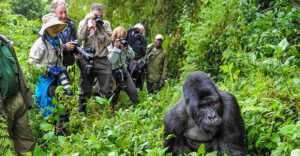 Gorilla trekking in Uganda is a physically active experience. The difficulty varies considerably depending on the location of the gorilla family on the day of your trek.
You might hike for a relatively short distance, or you might spend several hours moving through steep forest terrain.
Bwindi is mountainous, with narrow trails, dense vegetation, muddy sections, and steep slopes in some areas.
You should prepare by:
- Walking regularly before your safari
- Building cardiovascular fitness
- Practicing on hills or uneven terrain
- Wearing comfortable hiking shoes
- Carrying sufficient drinking water
- Using walking poles if helpful
- Hiring a porter for additional support
You do not need to be an elite hiker. Your guide will set the pace according to the group and local trekking conditions.
Best Time for Gorilla Trekking in Uganda
Uganda offers gorilla trekking throughout the year.
The drier periods are generally popular for trekking because forest trails tend to be easier to navigate. These periods are commonly associated with June to September and December to February.
The rainy seasons bring wetter conditions, but they also offer their own advantages. Forest vegetation is lush, and rainfall does not prevent gorilla trekking from taking place.
One advantage of traveling during less busy periods is the opportunity to experience quieter conditions and potentially find more favorable accommodation rates.
Where to Stay for Gorilla Trekking in Uganda
Accommodation is available near all major gorilla trekking sectors.
Options range from comfortable guesthouses and mid-range lodges to luxury safari lodges.
For a smooth experience, choose accommodation based on your trekking sector rather than selecting a lodge solely because of its general location in Bwindi.
Luxury travelers can choose properties offering private rooms, forest views, quality dining, personalized service, and comfortable spaces for relaxing before and after the trek.
Budget-conscious travelers also have guesthouses and affordable lodges near the trekking areas.
What to Pack for Uganda Gorilla Trekking
Packing correctly makes the forest trek more comfortable.
Recommended items include:
- Waterproof hiking boots
- Lightweight, breathable clothing
- Long trousers and long-sleeved shirts
- Waterproof jacket
- Small backpack
- Reusable water bottle
- Gardening or hiking gloves
- Hat
- Insect repellent
- Sunscreen
- Camera
- Spare batteries or power bank
- Binoculars
- Walking poles if preferred
- Personal medication
- Small amount of cash
- A waterproof bag or dry bag is useful during wet conditions.
Gorilla Trekking Rules and Etiquette
Gorilla trekking follows strict rules designed to protect both visitors and gorillas.
Visitors should follow the instructions of their guides and trackers throughout the experience.
Important principles include:
- Maintain the required distance from the gorillas.
- Avoid sudden movements.
- Keep voices low.
- Do not feed the gorillas.
- Do not touch the gorillas.
- Follow the instructions of your guide.
- Avoid trekking when sick.
- Do not leave rubbish in the forest.
- Follow photography guidelines.
- Respect the time limits established for the encounter.
These rules help reduce stress and limit the transmission of human diseases to gorillas.
How Long Should You Spend in Uganda?
A gorilla trek can form part of a short Uganda safari or a longer wildlife itinerary.
For travelers focused primarily on gorillas, 3 to 4 days around Bwindi can provide a practical itinerary.
A longer 7 to 10-day Uganda safari gives you time to combine gorilla trekking with other major experiences.
Popular gorilla trekking combinations include:
- Gorilla habituation trek + Queen Elizabeth National Park
- Gorilla trekking + Kibale chimpanzee tracking
- Gorilla trekking + Murchison Falls National Park
- Gorilla trekking + Lake Mburo National Park
- Gorilla trekking + golden monkey tracking
- Gorilla trekking + cultural experiences
For travelers arriving through Kigali, Uganda gorilla trekking from Kigali is also an option. The overland journey from Rwanda to southwestern Uganda provides an alternative to flying into Uganda and offers opportunities to include both countries in one itinerary.
Uganda Gorilla Trekking from Kigali
Kigali is relatively close to southwestern Uganda, making a Uganda gorilla safari from Kigali a popular option for travelers visiting Rwanda.
You can arrive in Kigali, cross into Uganda, and continue to Bwindi or Mgahinga by road.
This option works particularly well for travelers combining Rwanda and Uganda in one trip.
A combined Uganda and Rwanda gorilla safari allows you to experience two different destinations within the wider Albertine Rift and Virunga region.
Gorilla Trekking in Uganda vs Rwanda
Uganda and Rwanda both offer mountain gorilla trekking.
Uganda offers gorilla trekking in Bwindi and Mgahinga. Rwanda offers gorilla trekking in Volcanoes National Park.
The two destinations differ in geography, trekking sectors, accommodation options, travel logistics, and permit pricing.
Your choice depends on your travel route, preferred accommodation, available time, budget, and wider safari plans.
For travelers seeking a broader Uganda safari, Uganda provides the opportunity to combine gorilla trekking with several major wildlife destinations across the country.
Conservation and Community Benefits
Gorilla tourism plays an important role in conservation and local livelihoods around Uganda’s gorilla parks.
Tourism revenue supports protected-area management and contributes to the broader conservation system surrounding mountain gorillas.
Local communities also benefit through employment, accommodation, guiding, porter services, crafts, cultural tourism, transportation, and other tourism-related businesses.
Choosing a responsible safari operator and respecting park guidelines helps support sustainable tourism around the gorilla habitats.
Gorilla Trekking Photography Tips
Gorilla photography presents a unique challenge because you are working in dense forest with changing light.
A camera with good low-light performance is useful. A moderate telephoto lens provides flexibility without requiring you to carry excessive equipment.
Remember to spend time observing rather than photographing every moment. Follow your guide’s instructions and respect the required distance from the gorillas.
The forest environment itself also provides excellent photographic opportunities, including vegetation, birds, butterflies, landscapes, and local communities.
 Frequently Asked Questions About Uganda Gorilla Trekking

1. How much is a gorilla trekking permit in Uganda?
The official permit price depends on the current Uganda Wildlife Authority tariff and visitor category. Confirm the applicable rate for your travel dates before booking.
2. Where is gorilla trekking done in Uganda?
Gorilla trekking takes place in Bwindi Impenetrable National Park and Mgahinga Gorilla National Park in southwestern Uganda.
3. What is the best month for gorilla trekking in Uganda?
Gorilla trekking is available year-round. June to September and December to February are commonly preferred because of generally drier conditions.
4. How long does gorilla trekking take?
The duration varies depending on where the gorilla family is located and how far the group travels. The trek itself may take several hours, while the standard gorilla encounter is limited to the official viewing period.
5. Is Uganda gorilla trekking difficult?
The trek ranges from moderate to strenuous. Bwindi has steep terrain and dense vegetation, so reasonable physical preparation is recommended.
6. Can children go gorilla trekking in Uganda?
Gorilla trekking has age restrictions. Confirm the current Uganda Wildlife Authority regulations before planning a family gorilla safari.
7. Do I need a porter for gorilla trekking?
A porter is not mandatory, but hiring one provides practical support with your backpack and during difficult sections of the trail. Porter services also provide direct income to people living around the park.
8. Can I combine gorilla trekking with a safari?
Yes. Gorilla trekking combines well with chimpanzee tracking, game drives, boat safaris, birdwatching, cultural experiences, and other Uganda safari activities.
9. How far in advance should I book a Uganda gorilla safari?
Advance booking is recommended because gorilla permits are limited. Booking several months ahead is especially useful for peak travel periods and preferred trekking sectors or accommodation.
Plan Your Uganda Gorilla Trekking Safari
A successful Uganda gorilla safari starts with choosing the right trekking sector, securing your permit, selecting suitable accommodation, and planning realistic travel times.
Whether you want a private luxury gorilla safari, an affordable Uganda gorilla trek, a Gorilla Habituation Experience, or a longer Uganda wildlife adventure, your itinerary can be tailored around your interests, travel dates, and budget.
At Uganda Rwanda Tours/Gentle Giants Safaris, we specialize in private and tailor-made gorilla trekking safaris in Uganda and Rwanda. Our local safari specialists help you select the right trekking sector, arrange permits and accommodation, organize private transfers, and combine your gorilla experience with other highlights of Uganda.
Contact Gentle Giants Safaris to plan your Uganda gorilla trekking adventure and request a personalized itinerary.