- Home
- Destinations
- Gorilla Tours
- Uganda Gorilla Tours
- 3-Day Bwindi Gorilla Trekking Express
- 4-Day Bwindi Gorillas & Lake Bunyonyi Relaxation
- 5-Day Bwindi Gorillas & Queen Elizabeth Wildlife Safari
- 7-Day Ultimate Uganda Primates (Gorillas & Chimps)
- 10-Day Highlights of Uganda (Gorillas, Chimps, & Savannah Wildlife)
- 12-Day Active Adventure: Gorillas, Wildlife, & Rwenzori Foothills
- Rwanda Gorilla Tours
- Luxury Gorilla Treks
- 3-Day Exclusive Luxury Gorilla Safari to Bwindi (Clouds Mountain Gorilla Lodge)
- 4-Day Elite Rwanda Gorilla Experience (Bisate / One&Only Gorilla’s Nest)
- 6-Day Ultra-Luxury Rwanda Gorillas & Nyungwe Canopy Tour
- 8-Day Premium Uganda Gorilla & Savannah Luxury Voyage (Apoka & Sanctuary Gorilla Forest Camp)
- 10-Day Connoisseur Uganda & Rwanda Dual Luxury Gorilla Tour
- 12-Day Signature East African Luxury Primate & Wildlife Safari
- Gorilla Fly-In Safaris
- 3-Day Fly-in Gorilla Trekking to Bwindi (Via Entebbe)
- 4-Day Luxury Fly-in Gorillas & Queen Elizabeth Safari
- 5-Day Fly-in Primates: Bwindi Gorillas & Kibale Chimps
- 5-Day Rwanda Fly-in Helicopter Safari (Akagera & Volcanoes)
- 6-Day Luxury Fly-in Kidepo Valley & Bwindi Gorillas
- 8-Day Premium Fly-in Uganda Wilderness Circuit
- Gorilla Habituation Treks
- 3-Day Bwindi Gorilla Habituation Experience (Rushaga Sector)
- 4-Day Gorilla Habituation & Batwa Cultural Encounter
- 5-Day Double Habituation: Bwindi Gorillas & Kibale Chimpanzees
- 6-Day Gorilla Habituation & Queen Elizabeth Wildlife Safari
- 7-Day Exclusive Primate Habituation & Lake Bunyonyi Retreat
- 9-Day Deep Jungle Habituation & Wildlife Conservation Tour
- Combined Uganda & Rwanda Tours
- 5-Day Double Gorilla Trekking (Bwindi & Volcanoes National Park)
- 7-Day Rwanda & Uganda Primate Highlights
- 10-Day East African Wildlife & Gorilla Cross-Border Safari
- 12-Day Volcanoes, Bwindi, & Queen Elizabeth Mega Safari
- 14-Day Ultimate Uganda & Rwanda Discovery Tour
- 18-Day Grand East African Gorillas, Wildlife, & Culture Expedition
- Uganda Gorilla Treks From Kigali
- 1-Day Ultra-Express Uganda Gorilla Trek from Kigali
- 2-Day Budget Uganda Gorilla Safari via Kigali
- 3-Day Classic Bwindi Gorilla Trekking from Kigali
- 4-Day Bwindi Gorillas & Lake Bunyonyi via Kigali
- 5-Day Uganda Gorilla & Golden Monkey Trek via Kigali
- 6-Day Southwest Uganda Primate Safari (Bwindi & Mgahinga) via Kigali
- Uganda Gorilla Tours
- Gorilla Trekking
- Primate Guide
- Planning Guide
- About Us
Back
- Home
- Destinations
- Gorilla Tours
- Uganda Gorilla Tours
- 3-Day Bwindi Gorilla Trekking Express
- 4-Day Bwindi Gorillas & Lake Bunyonyi Relaxation
- 5-Day Bwindi Gorillas & Queen Elizabeth Wildlife Safari
- 7-Day Ultimate Uganda Primates (Gorillas & Chimps)
- 10-Day Highlights of Uganda (Gorillas, Chimps, & Savannah Wildlife)
- 12-Day Active Adventure: Gorillas, Wildlife, & Rwenzori Foothills
- Rwanda Gorilla Tours
- Luxury Gorilla Treks
- 3-Day Exclusive Luxury Gorilla Safari to Bwindi (Clouds Mountain Gorilla Lodge)
- 4-Day Elite Rwanda Gorilla Experience (Bisate / One&Only Gorilla’s Nest)
- 6-Day Ultra-Luxury Rwanda Gorillas & Nyungwe Canopy Tour
- 8-Day Premium Uganda Gorilla & Savannah Luxury Voyage (Apoka & Sanctuary Gorilla Forest Camp)
- 10-Day Connoisseur Uganda & Rwanda Dual Luxury Gorilla Tour
- 12-Day Signature East African Luxury Primate & Wildlife Safari
- Gorilla Fly-In Safaris
- 3-Day Fly-in Gorilla Trekking to Bwindi (Via Entebbe)
- 4-Day Luxury Fly-in Gorillas & Queen Elizabeth Safari
- 5-Day Fly-in Primates: Bwindi Gorillas & Kibale Chimps
- 5-Day Rwanda Fly-in Helicopter Safari (Akagera & Volcanoes)
- 6-Day Luxury Fly-in Kidepo Valley & Bwindi Gorillas
- 8-Day Premium Fly-in Uganda Wilderness Circuit
- Gorilla Habituation Treks
- 3-Day Bwindi Gorilla Habituation Experience (Rushaga Sector)
- 4-Day Gorilla Habituation & Batwa Cultural Encounter
- 5-Day Double Habituation: Bwindi Gorillas & Kibale Chimpanzees
- 6-Day Gorilla Habituation & Queen Elizabeth Wildlife Safari
- 7-Day Exclusive Primate Habituation & Lake Bunyonyi Retreat
- 9-Day Deep Jungle Habituation & Wildlife Conservation Tour
- Combined Uganda & Rwanda Tours
- 5-Day Double Gorilla Trekking (Bwindi & Volcanoes National Park)
- 7-Day Rwanda & Uganda Primate Highlights
- 10-Day East African Wildlife & Gorilla Cross-Border Safari
- 12-Day Volcanoes, Bwindi, & Queen Elizabeth Mega Safari
- 14-Day Ultimate Uganda & Rwanda Discovery Tour
- 18-Day Grand East African Gorillas, Wildlife, & Culture Expedition
- Uganda Gorilla Treks From Kigali
- 1-Day Ultra-Express Uganda Gorilla Trek from Kigali
- 2-Day Budget Uganda Gorilla Safari via Kigali
- 3-Day Classic Bwindi Gorilla Trekking from Kigali
- 4-Day Bwindi Gorillas & Lake Bunyonyi via Kigali
- 5-Day Uganda Gorilla & Golden Monkey Trek via Kigali
- 6-Day Southwest Uganda Primate Safari (Bwindi & Mgahinga) via Kigali
- Uganda Gorilla Tours
- Gorilla Trekking
- Primate Guide
- Planning Guide
- About Us


Ultimate Chimpanzee Tracking Guide
Looking for the best chimpanzee tracking in East Africa? Compare Kibale Forest, Nyungwe, and Kyambura Gorge. Get updated 2026 permit costs, packing tips, and itineraries.
The Ultimate Chimpanzee Tracking Guide: Uganda vs. Rwanda
While mountain gorillas offer a profound, quiet encounter, chimpanzee tracking is pure, unadulterated energy. Sharing roughly 98.8% of human DNA, chimpanzees (Pan troglodytes) are our closest living relatives.
Watching them swing effortlessly through the canopy, listening to their deafening “pant-hoot” vocalizations, and observing their intricate social structures is an unforgettable safari highlight.
For travelers booking with Uganda Rwanda Tours, the ancient rainforests of Uganda and Rwanda provide the premier gorilla destinations on earth to see these fascinating primates in the wild.
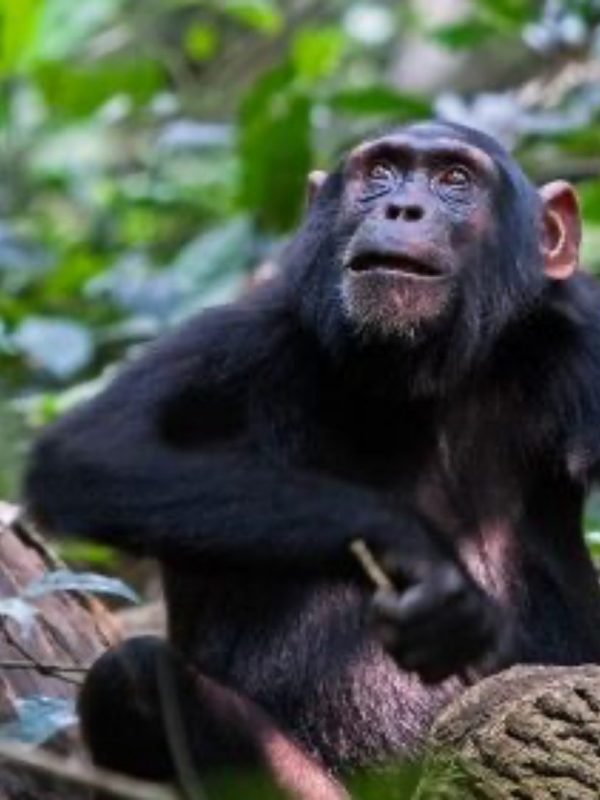
Top Chimpanzee Tracking Destinations
The Albertine Rift features unique microclimates that shelter distinct chimpanzee populations. Here is where you will find them:
Kibale Forest National Park (Uganda)
Known unreservedly as the “Primate Capital of the World,” Kibale protects the highest density and diversity of primates in Africa—13 species in total. With a habituated population of over 1,500 chimpanzees, your chances of a successful encounter here sit comfortably above 95%.
The Experience: Mostly flat terrain, deep under dense canopy shield. You will track them on foot as they forage in large, dramatic communities.
Nyungwe Forest National Park (Rwanda)
An ancient montane rainforest blanketing southwest Rwanda. Nyungwe is a rugged, breathtakingly beautiful park that offers a true wilderness tracking experience alongside spectacular birdwatching and a famous canopy suspension bridge walk.
The Experience: Steeper, more mountainous terrain. Tracking here can require an early morning start and more physical stamina, but rewarding views across the mist-shrouded valleys are unmatched.
Kyambura Gorge (Uganda)
Located inside Queen Elizabeth National Park, this is an extraordinary “underground forest.” A massive, 100-meter-deep canyon cut into the savanna floor hides a completely isolated tropical river ecosystem.
The Experience: Tracking a small, isolated community of chimps trapped by savanna borders. It requires descending steep valley walls into a subterranean world.
Chimpanzee Permit Costs & Tracking Style
Permit fees directly fund the daily protection of these habitats and include your armed UWA or RDB park rangers.
| Location | Country | Permit Cost (Foreign Non-Resident) | Minimum Age | Success Rate |
| Kibale Forest | Uganda | $250 USD | 12 Years Old | 99%+ |
| Nyungwe Forest | Rwanda | $250 USD | 16 Years Old | 90% – 95% |
| Kyambura Gorge | Uganda | $100 USD | 12 Years Old | 85% – 80% |
| Budongo Forest | Uganda | $130 USD | 15 Years Old | 90%+ |
The Chimpanzee Habituation Experience (CHEX): For passionate wildlife enthusiasts, Kibale Forest offers a full-day or half-day Habituation permit for $300 USD. Instead of spending the standard 1 hour with a fully habituated group, you spend up to 4 hours accompanying researchers as they follow semi-habituated chimps waking up, nesting, and hunting.

What to Expect: Your Tracking Day Timeline
A standard chimpanzee trek is highly dynamic. Because chimps move rapidly through the trees, a tracking excursion feels much more active than a gorilla trek.
- The Ranger Briefing – 07:30 AM
Arrive at the park headquarters (like Kanyanchu in Kibale). Rangers split you into small groups of maximum 8 people and brief you on safety protocols: keeping an 8-meter distance, remaining quiet, and mimicking none of the vocalizations.
- Entering the Canopy – 08:00 AM
Step into the dense forest with your lead tracker and armed ranger guide. Advanced trackers go out even earlier to locate where the chimps nested the previous night, using radio contact to point your guide toward the moving group.
- The Active Forest Search – 08:30 AM – 11:00 AM
Hike through the undergrowth, listening carefully. Long before you see a chimpanzee, you will hear them. A single vocalization can trigger a chain reaction of screams, hoots, and the thunderous drumming of hands and feet against the buttress roots of giant fig trees.
- The Magical Hour – 1 Hour Window
Once located, your official 60-minute countdown begins. If the chimps are feeding high in the trees, you will watch them utilize tools, crack nuts, and groom. If they drop down to the forest floor, you will walk parallel to them as they travel, photograph their expressive faces, and observe their social bonds.
To ensure pristine habitats and minimize human stress on the primates, regional wildlife authorities issue a strict maximum of 8 guests per gorilla family, per day. Because of this, permits must be secured 6 to 12 months in advance.
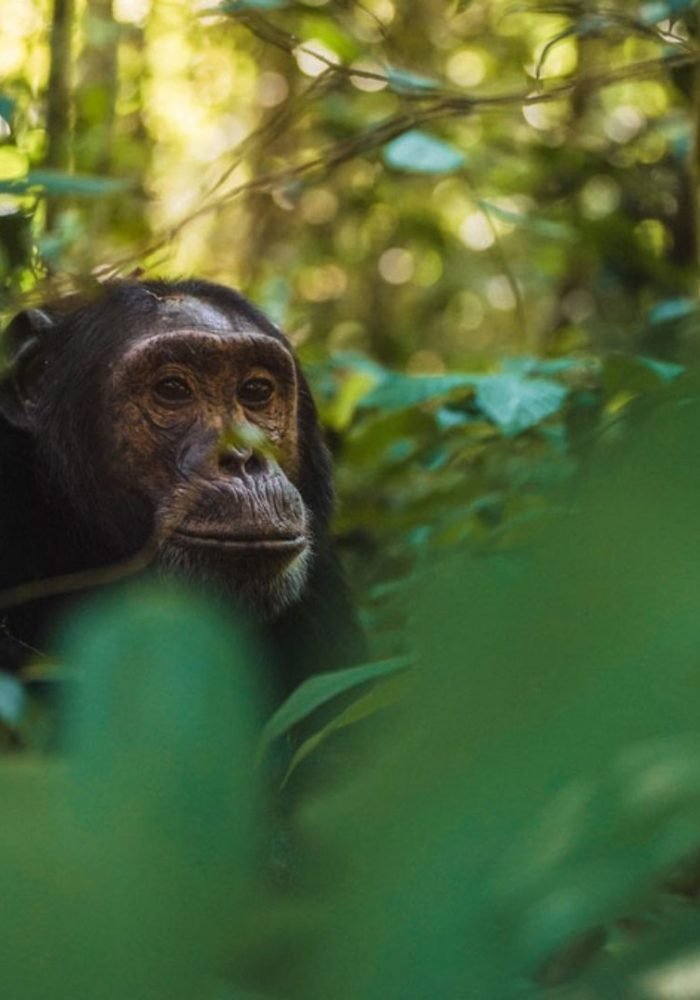
Pro-Tips for Perfect Chimp Photography
Tracking chimpanzees presents distinct challenges for photographers due to low lighting beneath the rainforest canopy and fast-moving subjects.
Bring a fast telephoto lens: A 70-200mm $f/2.8$ or a 100-400mm lens is ideal. You need flexibility when they quickly transition from low branches to high canopies.
Push your ISO settings: Do not be afraid to shoot at ISO 1600 to 3200. The forest floor can be incredibly dark, and you need a fast shutter speed (at least $1/250\text{s}$ or faster) to freeze their rapid movements.
Watch the background contrast: Because the sky breaking through the trees is bright white, it can easily overexpose your shots. Try to frame the chimps against dark green foliage to keep your exposures balanced.
Chimpanzee Tracking Frequently Asked Questions
Is chimpanzee tracking safe?
Yes. The wild chimpanzees you will track have gone through a rigorous, multi-year habituation process to ensure they are comfortable with human presence. While they may vocalize loudly or walk right past you on a path, they view humans neutrally. Your rangers are fully trained to read their behavior safely.
How does it compare to gorilla trekking?
Gorilla trekking is slow, quiet, and deliberate; you spend most of your hour watching them rest, play, and eat on the ground. Chimpanzee tracking is noisy, fast-paced, and calls for more active walking as you follow them through changing terrain.
What should I wear?
Tuck your long trousers into your socks to keep ground-dwelling safari ants out. Wear a long-sleeved shirt to shield yourself from nettles and a durable rain jacket—showers can arrive suddenly even during dry seasons.
How close do you actually get to the chimpanzees?
Official park conservation rules require keeping a protective distance of 7 meters (roughly 23 feet) from the chimpanzees to protect them from human airborne illnesses. However, because the primates are completely relaxed in human presence, curious young infants or moving adults may occasionally choose to walk closer past you. Your expert rangers will guide your movements in real time to ensure a safe, natural interaction.
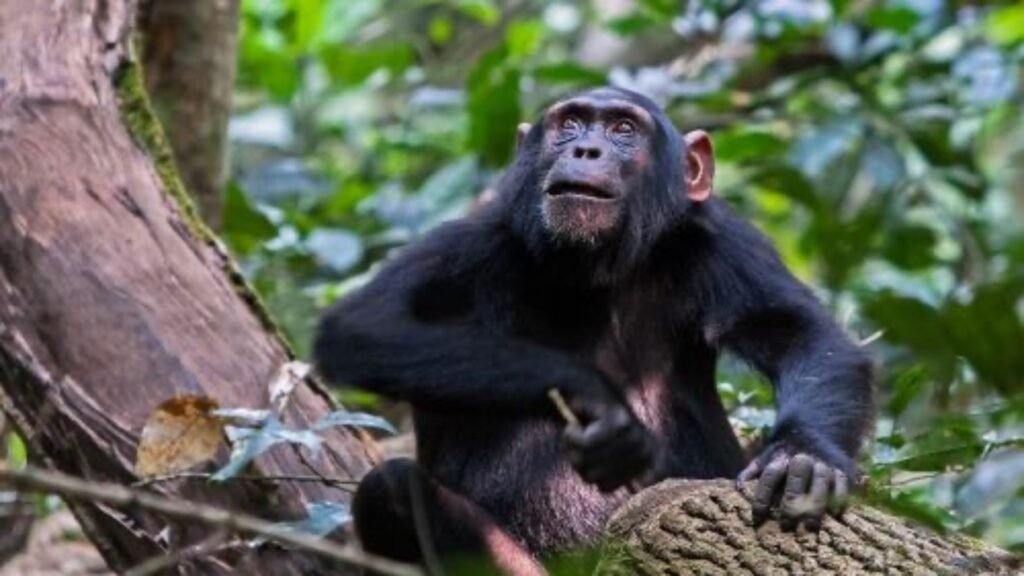
Begin Your Private Chimp Trekking Safari
Get in touch with our elite East African safari designers today to secure your exclusive permit access and craft your custom chimpanzee safari itinerary.
Email the Safari Specialist: info@ugandarwandatours.com →
Direct Consultant WhatsApp Line: Chat with a Safari Consltant →
✓ 100% Guaranteed Primate Permits | ★ Licensed Uganda Tour Operator | 🌍 Proud Member of the Uganda Tour Operators Association (AUTO)
 24/7 Customer SupportAdventure ToursAirport TransfersTravel InsuranceLocal Tour Guides Custom ItinerariesPrivate ToursGroup ToursCultural ExperiencesAccommodation Booking
Alert: You are not allowed to copy content or view source !!