- Home
- Destinations
- Gorilla Tours
- Uganda Gorilla Tours
- 3-Day Bwindi Gorilla Trekking Express
- 4-Day Bwindi Gorillas & Lake Bunyonyi Relaxation
- 5-Day Bwindi Gorillas & Queen Elizabeth Wildlife Safari
- 7-Day Ultimate Uganda Primates (Gorillas & Chimps)
- 10-Day Highlights of Uganda (Gorillas, Chimps, & Savannah Wildlife)
- 12-Day Active Adventure: Gorillas, Wildlife, & Rwenzori Foothills
- Rwanda Gorilla Tours
- Luxury Gorilla Treks
- 3-Day Exclusive Luxury Gorilla Safari to Bwindi (Clouds Mountain Gorilla Lodge)
- 4-Day Elite Rwanda Gorilla Experience (Bisate / One&Only Gorilla’s Nest)
- 6-Day Ultra-Luxury Rwanda Gorillas & Nyungwe Canopy Tour
- 8-Day Premium Uganda Gorilla & Savannah Luxury Voyage (Apoka & Sanctuary Gorilla Forest Camp)
- 10-Day Connoisseur Uganda & Rwanda Dual Luxury Gorilla Tour
- 12-Day Signature East African Luxury Primate & Wildlife Safari
- Gorilla Fly-In Safaris
- 3-Day Fly-in Gorilla Trekking to Bwindi (Via Entebbe)
- 4-Day Luxury Fly-in Gorillas & Queen Elizabeth Safari
- 5-Day Fly-in Primates: Bwindi Gorillas & Kibale Chimps
- 5-Day Rwanda Fly-in Helicopter Safari (Akagera & Volcanoes)
- 6-Day Luxury Fly-in Kidepo Valley & Bwindi Gorillas
- 8-Day Premium Fly-in Uganda Wilderness Circuit
- Gorilla Habituation Treks
- 3-Day Bwindi Gorilla Habituation Experience (Rushaga Sector)
- 4-Day Gorilla Habituation & Batwa Cultural Encounter
- 5-Day Double Habituation: Bwindi Gorillas & Kibale Chimpanzees
- 6-Day Gorilla Habituation & Queen Elizabeth Wildlife Safari
- 7-Day Exclusive Primate Habituation & Lake Bunyonyi Retreat
- 9-Day Deep Jungle Habituation & Wildlife Conservation Tour
- Combined Uganda & Rwanda Tours
- 5-Day Double Gorilla Trekking (Bwindi & Volcanoes National Park)
- 7-Day Rwanda & Uganda Primate Highlights
- 10-Day East African Wildlife & Gorilla Cross-Border Safari
- 12-Day Volcanoes, Bwindi, & Queen Elizabeth Mega Safari
- 14-Day Ultimate Uganda & Rwanda Discovery Tour
- 18-Day Grand East African Gorillas, Wildlife, & Culture Expedition
- Uganda Gorilla Treks From Kigali
- 1-Day Ultra-Express Uganda Gorilla Trek from Kigali
- 2-Day Budget Uganda Gorilla Safari via Kigali
- 3-Day Classic Bwindi Gorilla Trekking from Kigali
- 4-Day Bwindi Gorillas & Lake Bunyonyi via Kigali
- 5-Day Uganda Gorilla & Golden Monkey Trek via Kigali
- 6-Day Southwest Uganda Primate Safari (Bwindi & Mgahinga) via Kigali
- Uganda Gorilla Tours
- Gorilla Trekking
- Primate Guide
- Planning Guide
- About Us
Back
- Home
- Destinations
- Gorilla Tours
- Uganda Gorilla Tours
- 3-Day Bwindi Gorilla Trekking Express
- 4-Day Bwindi Gorillas & Lake Bunyonyi Relaxation
- 5-Day Bwindi Gorillas & Queen Elizabeth Wildlife Safari
- 7-Day Ultimate Uganda Primates (Gorillas & Chimps)
- 10-Day Highlights of Uganda (Gorillas, Chimps, & Savannah Wildlife)
- 12-Day Active Adventure: Gorillas, Wildlife, & Rwenzori Foothills
- Rwanda Gorilla Tours
- Luxury Gorilla Treks
- 3-Day Exclusive Luxury Gorilla Safari to Bwindi (Clouds Mountain Gorilla Lodge)
- 4-Day Elite Rwanda Gorilla Experience (Bisate / One&Only Gorilla’s Nest)
- 6-Day Ultra-Luxury Rwanda Gorillas & Nyungwe Canopy Tour
- 8-Day Premium Uganda Gorilla & Savannah Luxury Voyage (Apoka & Sanctuary Gorilla Forest Camp)
- 10-Day Connoisseur Uganda & Rwanda Dual Luxury Gorilla Tour
- 12-Day Signature East African Luxury Primate & Wildlife Safari
- Gorilla Fly-In Safaris
- 3-Day Fly-in Gorilla Trekking to Bwindi (Via Entebbe)
- 4-Day Luxury Fly-in Gorillas & Queen Elizabeth Safari
- 5-Day Fly-in Primates: Bwindi Gorillas & Kibale Chimps
- 5-Day Rwanda Fly-in Helicopter Safari (Akagera & Volcanoes)
- 6-Day Luxury Fly-in Kidepo Valley & Bwindi Gorillas
- 8-Day Premium Fly-in Uganda Wilderness Circuit
- Gorilla Habituation Treks
- 3-Day Bwindi Gorilla Habituation Experience (Rushaga Sector)
- 4-Day Gorilla Habituation & Batwa Cultural Encounter
- 5-Day Double Habituation: Bwindi Gorillas & Kibale Chimpanzees
- 6-Day Gorilla Habituation & Queen Elizabeth Wildlife Safari
- 7-Day Exclusive Primate Habituation & Lake Bunyonyi Retreat
- 9-Day Deep Jungle Habituation & Wildlife Conservation Tour
- Combined Uganda & Rwanda Tours
- 5-Day Double Gorilla Trekking (Bwindi & Volcanoes National Park)
- 7-Day Rwanda & Uganda Primate Highlights
- 10-Day East African Wildlife & Gorilla Cross-Border Safari
- 12-Day Volcanoes, Bwindi, & Queen Elizabeth Mega Safari
- 14-Day Ultimate Uganda & Rwanda Discovery Tour
- 18-Day Grand East African Gorillas, Wildlife, & Culture Expedition
- Uganda Gorilla Treks From Kigali
- 1-Day Ultra-Express Uganda Gorilla Trek from Kigali
- 2-Day Budget Uganda Gorilla Safari via Kigali
- 3-Day Classic Bwindi Gorilla Trekking from Kigali
- 4-Day Bwindi Gorillas & Lake Bunyonyi via Kigali
- 5-Day Uganda Gorilla & Golden Monkey Trek via Kigali
- 6-Day Southwest Uganda Primate Safari (Bwindi & Mgahinga) via Kigali
- Uganda Gorilla Tours
- Gorilla Trekking
- Primate Guide
- Planning Guide
- About Us


Is It Safe? Uganda & Rwanda Safari Health & Safety Guide
Planning an East African safari? Discover the honest facts about security, health requirements, malaria prevention, and wildlife safety in Uganda and Rwanda
Is It Safe? Your Ultimate Uganda & Rwanda Safari Health & Safety Guide
When planning a journey to East Africa, your peace of mind is just as important as your bucket-list itinerary. It is entirely natural to have questions about political stability, local health factors, and what it is actually like to stand feet away from a 400-pound wild silverback gorilla.
At Uganda Rwanda Tours, your safety is our absolute, non-negotiable operational baseline. Both Uganda and Rwanda are among the most welcoming, peaceful, and highly secure safari destinations in the world.
Here is an honest, expert breakdown of the health and security protocols that keep our travelers safe on the ground.
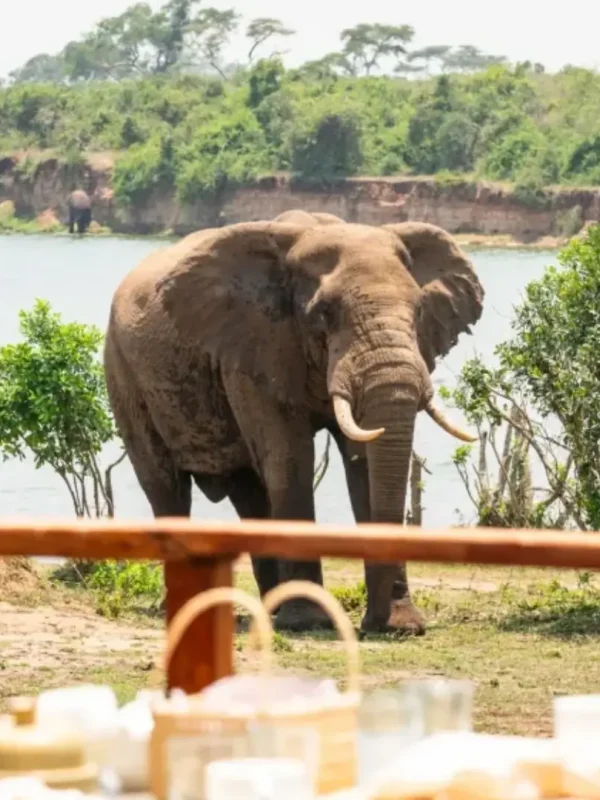
Destination Safety: On the Ground Reality
Rwanda: The “Switzerland of Africa”
Rwanda is globally recognized as one of the safest nations on earth. Its capital, Kigali, consistently ranks as Africa’s cleanest and safest city. You will notice a visible, highly disciplined security presence that ensures petty crime is virtually non-existent. Travelers, including solo female adventurers, routinely comment on how comfortable they feel walking through the vibrant urban centers and rural villages alike.
Uganda: Warm Hospitality & National Parks Security
Uganda is famously called the “Pearl of Africa,” largely due to the legendary warmth of its people. The tourism corridors are incredibly stable. To ensure total peace of mind, the Ugandan government maintains a specialized branch called the Tourism Police.
Park-Level Security: Every single national park border is monitored continuously. Furthermore, when you head out into the forest for primate tracking or step out on a walking safari, your group is accompanied by armed, highly trained park rangers who are in constant radio contact with central park headquarters.
Primate Safety: Are Mountain Gorillas Dangerous?
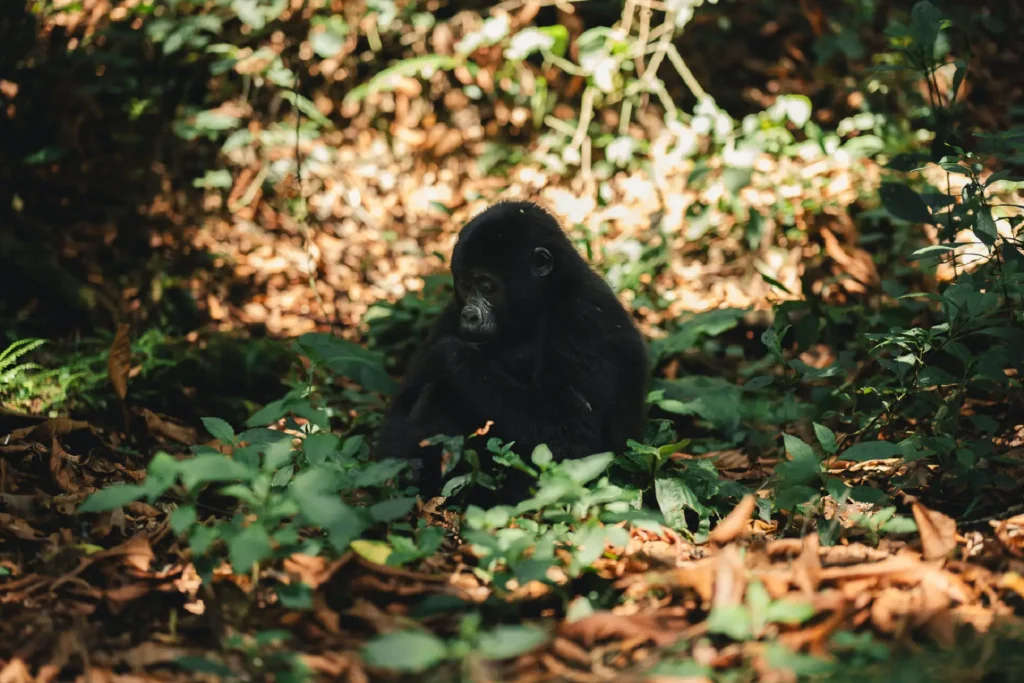
It is the ultimate paradox: you are tracking a powerful, wild apex primate, yet you are completely safe. In over 30 years of commercial gorilla trekking in East Africa, there has never been a single incident of a habituated gorilla harming a tourist.
Why It Is Exceptionally Safe:
The Habituation Process: The gorilla families you visit are not wild in the unpredictable sense. They have undergone a rigorous, 2-to-3-year “habituation” process where researchers gently accustom them to the peaceful presence of human observers. They view us as neutral, non-threatening parts of their daily environment.
Expert Ranger Guidance: Your rangers read gorilla body language like a book. If a silverback beats his chest or makes a vocalization, your guide knows exactly how to respond—usually instructing the group to lower their eyes and crouch slightly as a sign of respect and submissiveness.
The Health Blueprint: Vaccines & Malaria Prevention
Staying healthy on safari is simple if you prepare correctly. Because you will be transitioning from urban hubs to high-altitude mountain forests, following these core medical guidelines is essential:
| Health Priority | Requirement / Recommendation | Action Strategy |
| Yellow Fever | Mandatory Requirement | You must present an official Yellow Fever vaccination certificate card at immigration when entering Uganda or Rwanda. |
| Malaria | Highly Recommended Preventive | Safaris take place in malaria risk zones. Consult your travel clinic 4-6 weeks prior to departure to get a prescription for prophylaxis (such as Malarone or Doxycycline). |
| Drinking Water | Strict Safety Rule | Never drink tap water. Uganda Rwanda Tours provides unlimited, complimentary bottled, purified drinking water in all our custom safari vehicles. |
| Insect Bites | Daily Protection | Apply a repellent containing 30% to 50% DEET mornings and evenings to protect against mosquitoes and safari flies. |
Step-by-Step: Staying Healthy on Your Trek
Because gorillas share 98.4% of our DNA, they are highly susceptible to human respiratory illnesses. A common cold for a human can be fatal for a mountain gorilla. These simple protocols protect both you and the primates:
Morning Briefing
Health Self-Declaration
If you wake up feeling unwell with a contagious illness (like a heavy cough, flu, or stomach bug), you must notify your guide. To protect the primates, you may be reassigned or eligible for a 50% medical permit refund from park wardens.
On the Trail
Don the Protective Surgical Mask
When your tracking group approaches within 50-100 meters of the gorilla family, your guide will instruct everyone to sanitize their hands and put on a protective surgical face mask (provided by our team).
The Encounter
Maintain the 7-Meter Rule
Always maintain a minimum distance of 7 meters (about 23 feet) from the gorillas. If a curious young gorilla moves closer to you, stay completely still and let your ranger guide you backward slowly.
Hygiene Etiquette
Coughing or Sneezing Discretion
If you feel the urge to cough or sneeze while near the gorillas, turn your head completely away from the animals and cough directly into your inner elbow to prevent airborne transmission.
Gorilla Safety & Healthy Frequently Asked Questions
Is there a risk of catching Ebola or Marburg virus on safari?
No. Outbreaks of hemorrhagic fevers are exceptionally rare, highly localized, and immediately contained by world-class public health frameworks in both countries. Tourism sectors are located hundreds of miles away from historical spillover zones, and there is zero risk to travelers on standard safari routes.
Can I travel to Uganda and Rwanda as a solo female traveler?
Absolutely. Both countries are highly rewarding for solo female adventurers. Local communities are deeply respectful of international travelers. By booking a guided safari with Uganda Rwanda Tours, you have a dedicated, professional local driver-guide with you from airport pickup to departure drop-off, ensuring you are never isolated or navigating unfamiliar ground alone.
What happens if there is a medical emergency in a remote area?
Our custom safari vehicles are outfitted with comprehensive first-aid kits, and our guides are trained in basic field medical protocols. For major issues, premium safari lodges have emergency doctors on call. Furthermore, we intensely recommend adding emergency medical evacuation insurance (like AMREF Flying Doctors) to your policy, which can airlift a patient from remote bush strips directly to international-standard hospitals in Kigali or Kampala within hours.
Are food and salads safe to eat at the safari lodges?
Yes. The luxury and mid-range eco-lodges we partner with strictly cater to international health and food safety standards. All fruits, vegetables, and salads are washed meticulously in purified water, and meals are prepared fresh by professional chefs. If you have specific dietary restrictions (vegan, gluten-free, or severe allergies), simply inform our booking team in advance so we can coordinate with lodge kitchens.
Will I encounter dangerous wild animals at my lodge?
Many premium lodges are located right on the boundaries of the national parks, and some savanna properties are unfenced. This allows animals to free-roam naturally. You are perfectly safe because lodges employ 24/7 security teams or park escorts who walk you to and from your cottage after dark. The golden rule of safari holds true: respect the wildlife, never walk alone at night, and animals will happily leave you in peace.
Begin Your Private Primates Safari
Get in touch with our elite East African safari designers today to secure your exclusive permit access and craft your custom primates safari itinerary.
Email the Safari Specialist: info@ugandarwandatours.com →
Direct Consultant WhatsApp Line: Chat with a Safari Consltant →
✓ 100% Guaranteed Primate Permits | ★ Licensed Uganda Tour Operator | 🌍 Proud Member of the Uganda Tour Operators Association (AUTO)
 24/7 Customer SupportAdventure ToursAirport TransfersTravel InsuranceLocal Tour Guides Custom ItinerariesPrivate ToursGroup ToursCultural ExperiencesAccommodation Booking
Alert: You are not allowed to copy content or view source !!