- Home
- Destinations
- Gorilla Tours
- Uganda Gorilla Tours
- 3-Day Bwindi Gorilla Trekking Express
- 4-Day Bwindi Gorillas & Lake Bunyonyi Relaxation
- 5-Day Bwindi Gorillas & Queen Elizabeth Wildlife Safari
- 7-Day Ultimate Uganda Primates (Gorillas & Chimps)
- 10-Day Highlights of Uganda (Gorillas, Chimps, & Savannah Wildlife)
- 12-Day Active Adventure: Gorillas, Wildlife, & Rwenzori Foothills
- Rwanda Gorilla Tours
- Luxury Gorilla Treks
- 3-Day Exclusive Luxury Gorilla Safari to Bwindi (Clouds Mountain Gorilla Lodge)
- 4-Day Elite Rwanda Gorilla Experience (Bisate / One&Only Gorilla’s Nest)
- 6-Day Ultra-Luxury Rwanda Gorillas & Nyungwe Canopy Tour
- 8-Day Premium Uganda Gorilla & Savannah Luxury Voyage (Apoka & Sanctuary Gorilla Forest Camp)
- 10-Day Connoisseur Uganda & Rwanda Dual Luxury Gorilla Tour
- 12-Day Signature East African Luxury Primate & Wildlife Safari
- Gorilla Fly-In Safaris
- 3-Day Fly-in Gorilla Trekking to Bwindi (Via Entebbe)
- 4-Day Luxury Fly-in Gorillas & Queen Elizabeth Safari
- 5-Day Fly-in Primates: Bwindi Gorillas & Kibale Chimps
- 5-Day Rwanda Fly-in Helicopter Safari (Akagera & Volcanoes)
- 6-Day Luxury Fly-in Kidepo Valley & Bwindi Gorillas
- 8-Day Premium Fly-in Uganda Wilderness Circuit
- Gorilla Habituation Treks
- 3-Day Bwindi Gorilla Habituation Experience (Rushaga Sector)
- 4-Day Gorilla Habituation & Batwa Cultural Encounter
- 5-Day Double Habituation: Bwindi Gorillas & Kibale Chimpanzees
- 6-Day Gorilla Habituation & Queen Elizabeth Wildlife Safari
- 7-Day Exclusive Primate Habituation & Lake Bunyonyi Retreat
- 9-Day Deep Jungle Habituation & Wildlife Conservation Tour
- Combined Uganda & Rwanda Tours
- 5-Day Double Gorilla Trekking (Bwindi & Volcanoes National Park)
- 7-Day Rwanda & Uganda Primate Highlights
- 10-Day East African Wildlife & Gorilla Cross-Border Safari
- 12-Day Volcanoes, Bwindi, & Queen Elizabeth Mega Safari
- 14-Day Ultimate Uganda & Rwanda Discovery Tour
- 18-Day Grand East African Gorillas, Wildlife, & Culture Expedition
- Uganda Gorilla Treks From Kigali
- 1-Day Ultra-Express Uganda Gorilla Trek from Kigali
- 2-Day Budget Uganda Gorilla Safari via Kigali
- 3-Day Classic Bwindi Gorilla Trekking from Kigali
- 4-Day Bwindi Gorillas & Lake Bunyonyi via Kigali
- 5-Day Uganda Gorilla & Golden Monkey Trek via Kigali
- 6-Day Southwest Uganda Primate Safari (Bwindi & Mgahinga) via Kigali
- Uganda Gorilla Tours
- Gorilla Trekking
- Primate Guide
- Planning Guide
- About Us
Back
- Home
- Destinations
- Gorilla Tours
- Uganda Gorilla Tours
- 3-Day Bwindi Gorilla Trekking Express
- 4-Day Bwindi Gorillas & Lake Bunyonyi Relaxation
- 5-Day Bwindi Gorillas & Queen Elizabeth Wildlife Safari
- 7-Day Ultimate Uganda Primates (Gorillas & Chimps)
- 10-Day Highlights of Uganda (Gorillas, Chimps, & Savannah Wildlife)
- 12-Day Active Adventure: Gorillas, Wildlife, & Rwenzori Foothills
- Rwanda Gorilla Tours
- Luxury Gorilla Treks
- 3-Day Exclusive Luxury Gorilla Safari to Bwindi (Clouds Mountain Gorilla Lodge)
- 4-Day Elite Rwanda Gorilla Experience (Bisate / One&Only Gorilla’s Nest)
- 6-Day Ultra-Luxury Rwanda Gorillas & Nyungwe Canopy Tour
- 8-Day Premium Uganda Gorilla & Savannah Luxury Voyage (Apoka & Sanctuary Gorilla Forest Camp)
- 10-Day Connoisseur Uganda & Rwanda Dual Luxury Gorilla Tour
- 12-Day Signature East African Luxury Primate & Wildlife Safari
- Gorilla Fly-In Safaris
- 3-Day Fly-in Gorilla Trekking to Bwindi (Via Entebbe)
- 4-Day Luxury Fly-in Gorillas & Queen Elizabeth Safari
- 5-Day Fly-in Primates: Bwindi Gorillas & Kibale Chimps
- 5-Day Rwanda Fly-in Helicopter Safari (Akagera & Volcanoes)
- 6-Day Luxury Fly-in Kidepo Valley & Bwindi Gorillas
- 8-Day Premium Fly-in Uganda Wilderness Circuit
- Gorilla Habituation Treks
- 3-Day Bwindi Gorilla Habituation Experience (Rushaga Sector)
- 4-Day Gorilla Habituation & Batwa Cultural Encounter
- 5-Day Double Habituation: Bwindi Gorillas & Kibale Chimpanzees
- 6-Day Gorilla Habituation & Queen Elizabeth Wildlife Safari
- 7-Day Exclusive Primate Habituation & Lake Bunyonyi Retreat
- 9-Day Deep Jungle Habituation & Wildlife Conservation Tour
- Combined Uganda & Rwanda Tours
- 5-Day Double Gorilla Trekking (Bwindi & Volcanoes National Park)
- 7-Day Rwanda & Uganda Primate Highlights
- 10-Day East African Wildlife & Gorilla Cross-Border Safari
- 12-Day Volcanoes, Bwindi, & Queen Elizabeth Mega Safari
- 14-Day Ultimate Uganda & Rwanda Discovery Tour
- 18-Day Grand East African Gorillas, Wildlife, & Culture Expedition
- Uganda Gorilla Treks From Kigali
- 1-Day Ultra-Express Uganda Gorilla Trek from Kigali
- 2-Day Budget Uganda Gorilla Safari via Kigali
- 3-Day Classic Bwindi Gorilla Trekking from Kigali
- 4-Day Bwindi Gorillas & Lake Bunyonyi via Kigali
- 5-Day Uganda Gorilla & Golden Monkey Trek via Kigali
- 6-Day Southwest Uganda Primate Safari (Bwindi & Mgahinga) via Kigali
- Uganda Gorilla Tours
- Gorilla Trekking
- Primate Guide
- Planning Guide
- About Us


Best Time to Visit Uganda & Rwanda | Gorilla Safari Seasons
When is the best time to see mountain gorillas and wildlife in East Africa? Discover our comprehensive guide to dry and rainy seasons in Uganda and Rwanda.
Best Time to Visit Uganda & Rwanda: The Ultimate Seasonal Guide
One of the most frequent questions we receive at Uganda Rwanda Tours is: “When should I book my safari?” Because both countries sit directly along the equator and feature dramatic altitude shifts—ranging from steaming savanna plains to mist-shrouded volcanic peaks—weather patterns are uniquely localized.
While you can technically track primates and view big game year-round, understanding the shifts between the dry and rainy seasons will help you perfectly align your budget, photography goals, and physical comfort
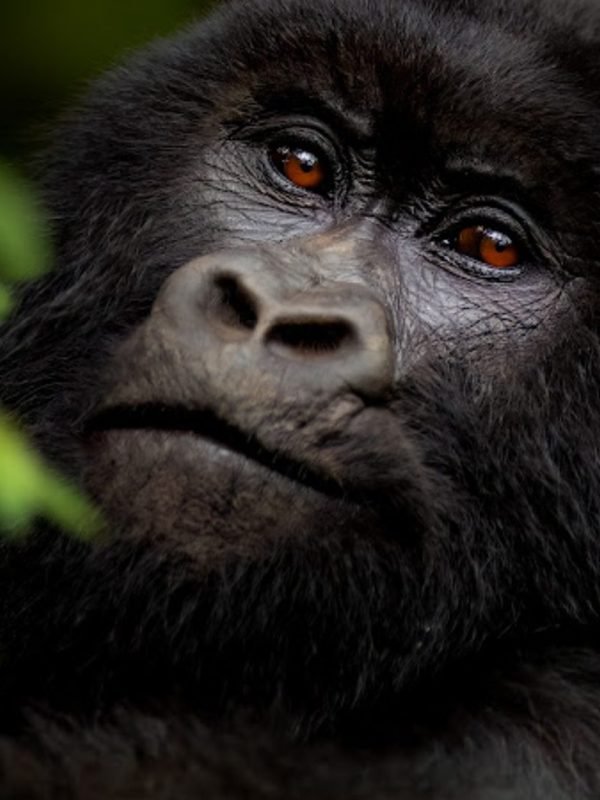
The Seasonal Matrix at a Glance
Uganda and Rwanda experience two distinct dry seasons and two rainy seasons each year.
| Timeframe | Technical Season | Trail Conditions | Crowds & Permit Demand | Our Expert Verdict |
| June to September | Long Dry Season | Excellent; firm ground, minimal mud | Peak; permits sell out up to a year ahead | ★★★★★ Best for first-time trekkers & photographers |
| October | Transition Month | Mixed; short showers, greening plains | Moderate; good availability | ★★★★☆ Great for balancing price and weather |
| November | Short Rainy Season | Challenging; slick slopes, thick foliage | Low; easy permit access, lodge discounts | ★★★☆☆ Ideal for budget travelers & birders |
| December to February | Short Dry Season | Great; mostly clear skies, drier trails | High; very popular around festive holidays | ★★★★★ Perfect winter escape |
| March to May | Long Rainy Season | Strenuous; heavy downpours, slippery mud | Very Low; maximum flexibility, premium deals | ★★☆☆☆ Great value, requires high physical fitness |
The Dry Seasons: Peak Wildlife Viewing
(June to September & December to February)
The dry months are universally considered the peak windows for standard safaris across East Africa, and for good reason.
The Trekking Reality: Mountain gorilla and chimpanzee tracking paths are at their driest. You will encounter significantly less mud, making steep volcanic ascents far easier to manage.
Savanna Game Viewing: If your primate safari includes stops at Queen Elizabeth National Park (Uganda) or Akagera National Park (Rwanda), the dry season is magical. Vegetation thins out, and elephants, lions, and leopards are forced to gather around permanent waterholes, making them incredibly easy to locate.
The Caveat: This is high-demand travel. Lodges operate at maximum seasonal pricing, and gorilla permits frequently sell out 6 to 12 months in advance.
The Rainy Seasons: The Green & Budget-Friendly Windows
(March to May & September to November)
Do not let the word “rainy” scare you away completely. In a tropical rainforest, it can rain on any given day regardless of the calendar. Traveling during the green season offers a distinct, intimate style of adventure.
Lush Photography Backdrops: The rain washes the dust from the air, creating crystal-clear atmospheric conditions. The rainforests and savannas turn an intense, vibrant emerald green that provides stunning contrast for wildlife photography.
Shorter Treks: Because wild fruits and bamboo shoots sprout abundantly on the lower slopes during rainy months, gorillas and chimpanzees often descend from the high ridges to feed. This can result in dramatically shorter hiking times to find the troops.
Exclusive Luxury for Less: Many premium and five-star eco-lodges offer substantial low-season discounts. Furthermore, the tracking trails are wonderfully quiet—instead of the maximum 8 people in your tracking group, you might find yourself on a private trek with just your rangers.
Note on Microclimates: Because Bwindi and Nyungwe are dense tropical rainforests, they receive short, gentle morning drizzles even during the “dry” months of January or July. Always pack a reliable rain poncho regardless of your travel dates!
Specialist Tracking Calendars
Depending on your specific bucket-list priorities, you may want to target non-traditional months to catch unique natural phenomena:
For Primate Photography Enthusiasts
Target late May or early October. These are transitional weeks wedged right on the lip of the dry seasons. You will catch the spectacular green hues of the wet season without enduring the heavy, daily disruptions of the peak downpours.
For Avian Specialists (Twitchers)
Book your tour between November and April. This is when resident East African species are joined by spectacular waves of European and North African migratory birds. Primate forests like Kibale and Nyungwe echo with complex mating calls, and birds display their brightest breeding plumage.
For Cultural Travelers
If you are visiting Rwanda, consider scheduling around September. This is typically when the annual Kwita Izina Baby Gorilla Naming Ceremony occurs near Volcanoes National Park—a massive cultural festival featuring traditional music, dance, and conservation celebrations.

When Should You Book Your Permits?
Book 9–12 months in advance.
High Peak Season (June–August / Christmas)
If your travel dates are completely rigid and fall during the primary summer or winter holidays, you must secure your permits almost a year out. Accommodation at luxury lodge properties fills up concurrently.
Book 4–6 months in advance.
Mid-Peak Season (January–February / September)
Excellent weather conditions with slightly lower demand. Booking half a year out gives our team ample time to secure close-tracking sectors and optimal vehicle routes.
Book 1–3 months in advance.
3.Low Green Season (March–May / November)
Highly flexible windows. Permits are easily accessible, and custom itineraries can be arranged last-minute while taking full advantage of low-season lodge promotional rates.
Primates Frequently Asked Questions
Does it rain all day during the rainy season?
Rarely. The typical rainy season pattern consists of a bright, clear morning followed by a heavy tropical downpour lasting 1 to 2 hours in the afternoon, after which the skies clear up again.
When is the best time to visit Uganda and Rwanda for primates?
The dry seasons—from June to August and December to February—offer the easiest hiking conditions, drier trails, and lower malaria risks. However, tracking is open year-round. The rainy seasons (March–May and September–November) bring beautiful lush backdrops, fewer crowds, and occasional low-season permit discounts.
Are park operations or flights ever closed due to weather?
No. All national parks in Uganda and Rwanda are open 365 days a year. Primate tracking excursions head out every single morning regardless of rain or shine. Scheduled domestic bush flights to remote strips continue operating normally throughout the wet seasons.
How close do you actually get to the primates?
Official park conservation rules require keeping a protective distance of 7 meters (roughly 23 feet) from the gorillas and chimpanzees to protect them from human airborne illnesses. However, because the primates are completely relaxed in human presence, curious young infants or moving adults may occasionally choose to walk closer past you. Your expert rangers will guide your movements in real time to ensure a safe, natural interaction.
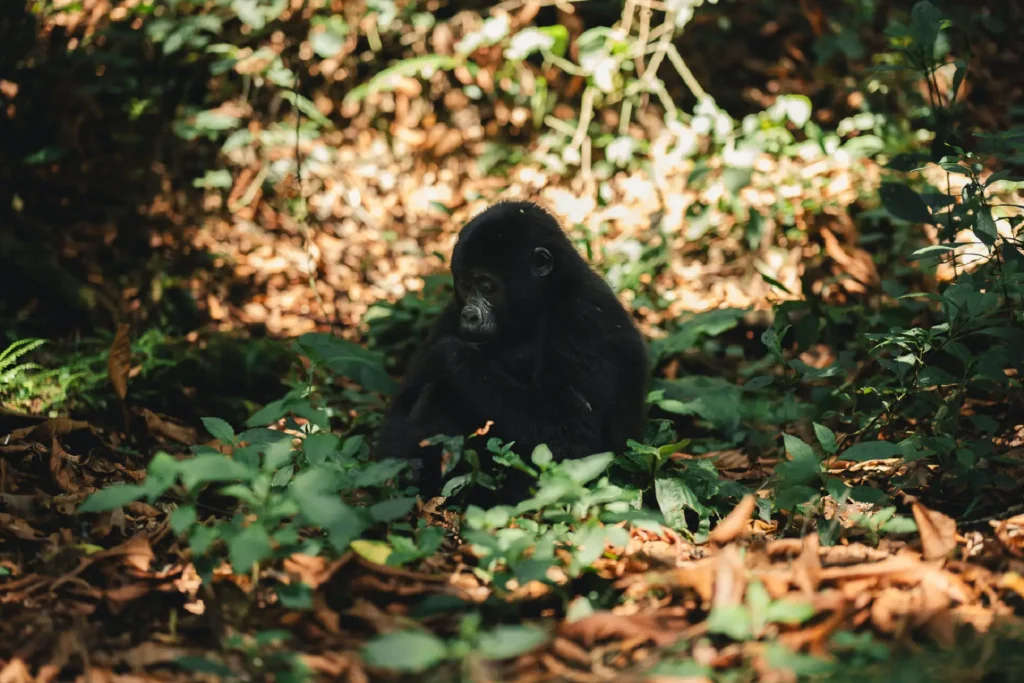
Begin Your Private Primates Safari
Get in touch with our elite East African safari designers today to secure your exclusive permit access and craft your custom primates safari itinerary.
Email the Safari Specialist: info@ugandarwandatours.com →
Direct Consultant WhatsApp Line: Chat with a Safari Consltant →
✓ 100% Guaranteed Primate Permits | ★ Licensed Uganda Tour Operator | 🌍 Proud Member of the Uganda Tour Operators Association (AUTO)
 24/7 Customer SupportAdventure ToursAirport TransfersTravel InsuranceLocal Tour Guides Custom ItinerariesPrivate ToursGroup ToursCultural ExperiencesAccommodation Booking
Alert: You are not allowed to copy content or view source !!