- Home
- Destinations
- Gorilla Tours
- Uganda Gorilla Tours
- 3-Day Bwindi Gorilla Trekking Express
- 4-Day Bwindi Gorillas & Lake Bunyonyi Relaxation
- 5-Day Bwindi Gorillas & Queen Elizabeth Wildlife Safari
- 7-Day Ultimate Uganda Primates (Gorillas & Chimps)
- 10-Day Highlights of Uganda (Gorillas, Chimps, & Savannah Wildlife)
- 12-Day Active Adventure: Gorillas, Wildlife, & Rwenzori Foothills
- Rwanda Gorilla Tours
- Luxury Gorilla Treks
- 3-Day Exclusive Luxury Gorilla Safari to Bwindi (Clouds Mountain Gorilla Lodge)
- 4-Day Elite Rwanda Gorilla Experience (Bisate / One&Only Gorilla’s Nest)
- 6-Day Ultra-Luxury Rwanda Gorillas & Nyungwe Canopy Tour
- 8-Day Premium Uganda Gorilla & Savannah Luxury Voyage (Apoka & Sanctuary Gorilla Forest Camp)
- 10-Day Connoisseur Uganda & Rwanda Dual Luxury Gorilla Tour
- 12-Day Signature East African Luxury Primate & Wildlife Safari
- Gorilla Fly-In Safaris
- 3-Day Fly-in Gorilla Trekking to Bwindi (Via Entebbe)
- 4-Day Luxury Fly-in Gorillas & Queen Elizabeth Safari
- 5-Day Fly-in Primates: Bwindi Gorillas & Kibale Chimps
- 5-Day Rwanda Fly-in Helicopter Safari (Akagera & Volcanoes)
- 6-Day Luxury Fly-in Kidepo Valley & Bwindi Gorillas
- 8-Day Premium Fly-in Uganda Wilderness Circuit
- Gorilla Habituation Treks
- 3-Day Bwindi Gorilla Habituation Experience (Rushaga Sector)
- 4-Day Gorilla Habituation & Batwa Cultural Encounter
- 5-Day Double Habituation: Bwindi Gorillas & Kibale Chimpanzees
- 6-Day Gorilla Habituation & Queen Elizabeth Wildlife Safari
- 7-Day Exclusive Primate Habituation & Lake Bunyonyi Retreat
- 9-Day Deep Jungle Habituation & Wildlife Conservation Tour
- Combined Uganda & Rwanda Tours
- 5-Day Double Gorilla Trekking (Bwindi & Volcanoes National Park)
- 7-Day Rwanda & Uganda Primate Highlights
- 10-Day East African Wildlife & Gorilla Cross-Border Safari
- 12-Day Volcanoes, Bwindi, & Queen Elizabeth Mega Safari
- 14-Day Ultimate Uganda & Rwanda Discovery Tour
- 18-Day Grand East African Gorillas, Wildlife, & Culture Expedition
- Uganda Gorilla Treks From Kigali
- 1-Day Ultra-Express Uganda Gorilla Trek from Kigali
- 2-Day Budget Uganda Gorilla Safari via Kigali
- 3-Day Classic Bwindi Gorilla Trekking from Kigali
- 4-Day Bwindi Gorillas & Lake Bunyonyi via Kigali
- 5-Day Uganda Gorilla & Golden Monkey Trek via Kigali
- 6-Day Southwest Uganda Primate Safari (Bwindi & Mgahinga) via Kigali
- Uganda Gorilla Tours
- Gorilla Trekking
- Primate Guide
- Planning Guide
- About Us
Back
- Home
- Destinations
- Gorilla Tours
- Uganda Gorilla Tours
- 3-Day Bwindi Gorilla Trekking Express
- 4-Day Bwindi Gorillas & Lake Bunyonyi Relaxation
- 5-Day Bwindi Gorillas & Queen Elizabeth Wildlife Safari
- 7-Day Ultimate Uganda Primates (Gorillas & Chimps)
- 10-Day Highlights of Uganda (Gorillas, Chimps, & Savannah Wildlife)
- 12-Day Active Adventure: Gorillas, Wildlife, & Rwenzori Foothills
- Rwanda Gorilla Tours
- Luxury Gorilla Treks
- 3-Day Exclusive Luxury Gorilla Safari to Bwindi (Clouds Mountain Gorilla Lodge)
- 4-Day Elite Rwanda Gorilla Experience (Bisate / One&Only Gorilla’s Nest)
- 6-Day Ultra-Luxury Rwanda Gorillas & Nyungwe Canopy Tour
- 8-Day Premium Uganda Gorilla & Savannah Luxury Voyage (Apoka & Sanctuary Gorilla Forest Camp)
- 10-Day Connoisseur Uganda & Rwanda Dual Luxury Gorilla Tour
- 12-Day Signature East African Luxury Primate & Wildlife Safari
- Gorilla Fly-In Safaris
- 3-Day Fly-in Gorilla Trekking to Bwindi (Via Entebbe)
- 4-Day Luxury Fly-in Gorillas & Queen Elizabeth Safari
- 5-Day Fly-in Primates: Bwindi Gorillas & Kibale Chimps
- 5-Day Rwanda Fly-in Helicopter Safari (Akagera & Volcanoes)
- 6-Day Luxury Fly-in Kidepo Valley & Bwindi Gorillas
- 8-Day Premium Fly-in Uganda Wilderness Circuit
- Gorilla Habituation Treks
- 3-Day Bwindi Gorilla Habituation Experience (Rushaga Sector)
- 4-Day Gorilla Habituation & Batwa Cultural Encounter
- 5-Day Double Habituation: Bwindi Gorillas & Kibale Chimpanzees
- 6-Day Gorilla Habituation & Queen Elizabeth Wildlife Safari
- 7-Day Exclusive Primate Habituation & Lake Bunyonyi Retreat
- 9-Day Deep Jungle Habituation & Wildlife Conservation Tour
- Combined Uganda & Rwanda Tours
- 5-Day Double Gorilla Trekking (Bwindi & Volcanoes National Park)
- 7-Day Rwanda & Uganda Primate Highlights
- 10-Day East African Wildlife & Gorilla Cross-Border Safari
- 12-Day Volcanoes, Bwindi, & Queen Elizabeth Mega Safari
- 14-Day Ultimate Uganda & Rwanda Discovery Tour
- 18-Day Grand East African Gorillas, Wildlife, & Culture Expedition
- Uganda Gorilla Treks From Kigali
- 1-Day Ultra-Express Uganda Gorilla Trek from Kigali
- 2-Day Budget Uganda Gorilla Safari via Kigali
- 3-Day Classic Bwindi Gorilla Trekking from Kigali
- 4-Day Bwindi Gorillas & Lake Bunyonyi via Kigali
- 5-Day Uganda Gorilla & Golden Monkey Trek via Kigali
- 6-Day Southwest Uganda Primate Safari (Bwindi & Mgahinga) via Kigali
- Uganda Gorilla Tours
- Gorilla Trekking
- Primate Guide
- Planning Guide
- About Us


Gorilla Trekking Packing List: Essential Gear Guide
Master your pack for the rainforest. Discover the exact clothing, footwear, and specialized gear you need to stay dry and comfortable tracking mountain gorillas.
Gorilla Trekking Packing List: The Ultimate Rainforest Gear Guide
Preparing for a primate safari is completely different from packing for a standard vehicle-based savanna game drive. When tracking mountain gorillas in Bwindi Impenetrable National Park or Volcanoes National Park, you are stepping out of the vehicle and plunging directly into a dense, trackless jungle.
The terrain involves navigating thick undergrowth, slippery volcanic clay, stinging plants, and sudden equatorial downpours. Packing the wrong gear won’t just make you uncomfortable—it can genuinely cut your trek short.
At Uganda Rwanda Tours, we want you focusing entirely on the magic of the gorillas, not on blisters or soaked layers. Here is the definitive gear and clothing blueprint our guides swear by.
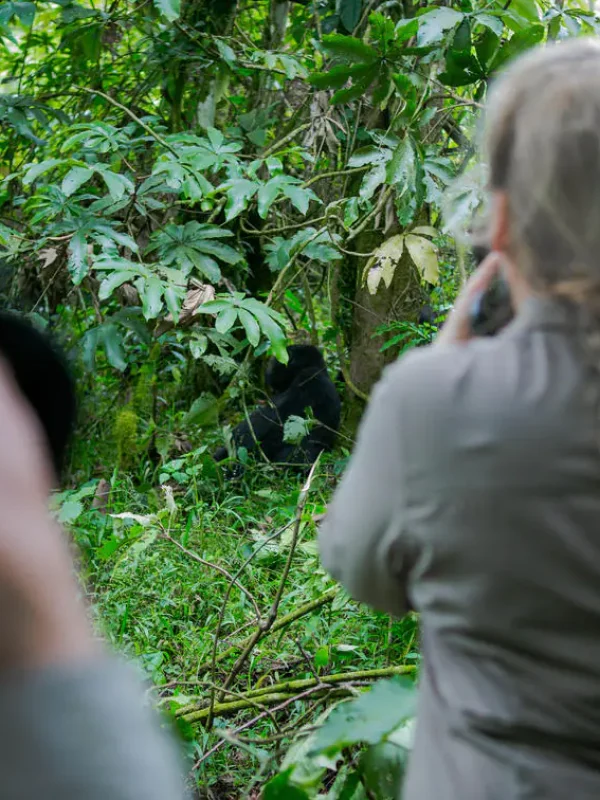
The Core Clothing Formula: Protection Over Fashion
In the rainforest, your clothes function as personal armor. You need to protect your skin from sharp thorns, biting ants, and razor-sharp stinging nettles.
The Essential Layers
Long-Sleeved Performance Shirts: Pack lightweight, moisture-wicking synthetic or merino wool shirts. Long sleeves are mandatory to shield your arms from scratchy branches and insects.
Durable Long Trousers: Avoid denim jeans, which absorb water like a sponge and become heavy. Opt for lightweight canvas, nylon safari pants, or water-resistant trekking trousers.
The “Sock Tuck” Rule: Bring tough, mid-calf wool hiking socks. At the trailhead, your guide will instruct you to tuck your trousers directly into your socks. It looks deeply un-fashionable, but it creates an impenetrable barrier against safari ants.
A Sturdy, Breathable Rain Jacket: It can rain heavily at 10:00 AM and be blazingly hot by noon. Bring a high-quality, lightweight waterproof jacket with a hood. Avoid cheap, paper-thin plastic ponchos, which tear instantly on forest thorns.
Safari Color Etiquette: Stick to neutral earth tones like khaki, tan, brown, or olive green. Avoid bright neon colors (which can startle or over-stimulate wildlife) and camouflage patterns (which are reserved strictly for military personnel in East Africa). Crucially, leave dark blue and black clothing at home—these specific shades actively attract tsetse flies!
Footwear & Specialized Trail Gear
You will be hiking anywhere from 1 to 7 hours over uneven ridges. Your footwear can make or break your entire adventure.
Ankle-High Waterproof Hiking Boots: Do not attempt a gorilla trek in running shoes, sneakers, or trail sandals. You need deep-tread rubber soles for grip on steep, wet mud slopes, and rigid ankle support to prevent twists on hidden tree roots. Make sure your boots are thoroughly broken-in before arriving in East Africa.
Tough Gardening Gloves: This is our top insider secret. When traversing vertical terrain, you will naturally reach out to grab vines, bamboo shoots, and branches for balance. The forest is full of thorny thistles and stinging nettles; a simple pair of leather or thick rubber gardening gloves will save your hands.
Breathable Gaiters: While optional, wrapping trail gaiters around your lower legs prevents mud, debris, and water from seeping over the top rim of your boots during river crossings and marshy valley floors.
What to Pack Inside Your Daypack
You will want a small, lightweight, waterproof daypack (20 to 30 liters) to carry your daily essentials.
| Item Category | Exact Essentials to Pack | Why You Need It |
| Hydration | 2 to 3 Liters of clean water | Humidity and steep climbs cause rapid dehydration. |
| Nutrition | High-energy trail mix, protein bars, and your lodge packed lunch | Treks are unpredictable; you need caloric reserves if your gorilla family moves deep. |
| Protection | Insect repellent (minimum 30% DEET) & SPF 30+ Sunscreen | Essential for open ridge sections and protecting skin from canopy bugs. |
| Electronics | Ziploc or dry-bags for your phone and camera gear | A sudden tropical downpour will ruin unprotected cameras instantly. |
| Health | Personal prescriptions, anti-itch cream, and blister band-aids | Minor first-aid items to handle quick trail scrapes. |

Camera Gear Prep for Photographers
The moment you stand eye-to-eye with a silverback is a photographic highlight of a lifetime. Keep these technical constraints in mind:
NO FLASH PHOTOGRAPHY: Flash is strictly prohibited as it can trigger a defensive, aggressive charge from a dominant silverback. Ensure you know how to manually disable your camera and smartphone flashes completely before entering the forest park.
Lens Selection: The gorillas can be as close as 23 feet (7 meters), or slightly obscured by thick foliage. A versatile 24-70mm lens is perfect for wide family group interactions, while a 70-200mm or 100-400mm lens allows you to capture tight, emotional facial portraits through the canopy leaves.
Extra Batteries: The cool, damp mountain altitudes can deplete battery life far faster than normal. Pack at least two fully charged spare batteries inside a sealed bag close to your body heat.

The Ultimate Packing Checklist
Use this rapid checklist as you lay out your luggage for your trip:
Carry-On Bags
Documents & Crucial Essentials
Valid Passport (with entry e-visas)
Yellow Fever Vaccination Certificate (Mandatory for entry)
Printed Gorilla Tracking Permit Vouchers (provided by our team)
US Dollar Cash (Post-2013 bills, crisp and un-torn for tipping and porters)
Worn on Trek Day
The Trail Outfit
- Broken-in waterproof hiking boots
Long-sleeved moisture-wicking safari shirt
Heavy-duty trekking pants (tucked into socks)
Wide-brimmed safari hat or cap
Thick leather gardening gloves
Inside Your Daypack
Adventure & Tech Packouts
Waterproof rain jacket / shell
Camera with flash turned OFF (plus extra batteries & memory cards)
Lightweight binoculars (8x42 recommended for birding/canopy views)
DEET insect repellent spray
Heavy-duty Ziploc bags for waterproof protection
Our Top Guide Tip — Hire a Local Porter: At the park briefing station, you will have the opportunity to hire a local porter for approximately $20 USD (plus tip). Even if you are highly fit, we intensely recommend this. They carry your heavy daypack, offer a steady hand across slippery muddy trenches, and provide physical support on steep climbs. Most importantly, porters are residents from the immediate park-border communities; hiring them turns poaching families into conservation protectors.
Begin Your Private Gorilla Safari
Get in touch with our elite East African safari designers today to secure your exclusive permit access and craft your custom primates safari itinerary.
Email the Safari Specialist: info@ugandarwandatours.com →
Direct Consultant WhatsApp Line: Chat with a Safari Consltant →
✓ 100% Guaranteed Primate Permits | ★ Licensed Uganda Tour Operator | 🌍 Proud Member of the Uganda Tour Operators Association (AUTO)
 24/7 Customer SupportAdventure ToursAirport TransfersTravel InsuranceLocal Tour Guides Custom ItinerariesPrivate ToursGroup ToursCultural ExperiencesAccommodation Booking
Alert: You are not allowed to copy content or view source !!