- Home
- Destinations
- Gorilla Tours
- Uganda Gorilla Tours
- 3-Day Bwindi Gorilla Trekking Express
- 4-Day Bwindi Gorillas & Lake Bunyonyi Relaxation
- 5-Day Bwindi Gorillas & Queen Elizabeth Wildlife Safari
- 7-Day Ultimate Uganda Primates (Gorillas & Chimps)
- 10-Day Highlights of Uganda (Gorillas, Chimps, & Savannah Wildlife)
- 12-Day Active Adventure: Gorillas, Wildlife, & Rwenzori Foothills
- Rwanda Gorilla Tours
- Luxury Gorilla Treks
- 3-Day Exclusive Luxury Gorilla Safari to Bwindi (Clouds Mountain Gorilla Lodge)
- 4-Day Elite Rwanda Gorilla Experience (Bisate / One&Only Gorilla’s Nest)
- 6-Day Ultra-Luxury Rwanda Gorillas & Nyungwe Canopy Tour
- 8-Day Premium Uganda Gorilla & Savannah Luxury Voyage (Apoka & Sanctuary Gorilla Forest Camp)
- 10-Day Connoisseur Uganda & Rwanda Dual Luxury Gorilla Tour
- 12-Day Signature East African Luxury Primate & Wildlife Safari
- Gorilla Fly-In Safaris
- 3-Day Fly-in Gorilla Trekking to Bwindi (Via Entebbe)
- 4-Day Luxury Fly-in Gorillas & Queen Elizabeth Safari
- 5-Day Fly-in Primates: Bwindi Gorillas & Kibale Chimps
- 5-Day Rwanda Fly-in Helicopter Safari (Akagera & Volcanoes)
- 6-Day Luxury Fly-in Kidepo Valley & Bwindi Gorillas
- 8-Day Premium Fly-in Uganda Wilderness Circuit
- Gorilla Habituation Treks
- 3-Day Bwindi Gorilla Habituation Experience (Rushaga Sector)
- 4-Day Gorilla Habituation & Batwa Cultural Encounter
- 5-Day Double Habituation: Bwindi Gorillas & Kibale Chimpanzees
- 6-Day Gorilla Habituation & Queen Elizabeth Wildlife Safari
- 7-Day Exclusive Primate Habituation & Lake Bunyonyi Retreat
- 9-Day Deep Jungle Habituation & Wildlife Conservation Tour
- Combined Uganda & Rwanda Tours
- 5-Day Double Gorilla Trekking (Bwindi & Volcanoes National Park)
- 7-Day Rwanda & Uganda Primate Highlights
- 10-Day East African Wildlife & Gorilla Cross-Border Safari
- 12-Day Volcanoes, Bwindi, & Queen Elizabeth Mega Safari
- 14-Day Ultimate Uganda & Rwanda Discovery Tour
- 18-Day Grand East African Gorillas, Wildlife, & Culture Expedition
- Uganda Gorilla Treks From Kigali
- 1-Day Ultra-Express Uganda Gorilla Trek from Kigali
- 2-Day Budget Uganda Gorilla Safari via Kigali
- 3-Day Classic Bwindi Gorilla Trekking from Kigali
- 4-Day Bwindi Gorillas & Lake Bunyonyi via Kigali
- 5-Day Uganda Gorilla & Golden Monkey Trek via Kigali
- 6-Day Southwest Uganda Primate Safari (Bwindi & Mgahinga) via Kigali
- Uganda Gorilla Tours
- Gorilla Trekking
- Primate Guide
- Planning Guide
- About Us
Back
- Home
- Destinations
- Gorilla Tours
- Uganda Gorilla Tours
- 3-Day Bwindi Gorilla Trekking Express
- 4-Day Bwindi Gorillas & Lake Bunyonyi Relaxation
- 5-Day Bwindi Gorillas & Queen Elizabeth Wildlife Safari
- 7-Day Ultimate Uganda Primates (Gorillas & Chimps)
- 10-Day Highlights of Uganda (Gorillas, Chimps, & Savannah Wildlife)
- 12-Day Active Adventure: Gorillas, Wildlife, & Rwenzori Foothills
- Rwanda Gorilla Tours
- Luxury Gorilla Treks
- 3-Day Exclusive Luxury Gorilla Safari to Bwindi (Clouds Mountain Gorilla Lodge)
- 4-Day Elite Rwanda Gorilla Experience (Bisate / One&Only Gorilla’s Nest)
- 6-Day Ultra-Luxury Rwanda Gorillas & Nyungwe Canopy Tour
- 8-Day Premium Uganda Gorilla & Savannah Luxury Voyage (Apoka & Sanctuary Gorilla Forest Camp)
- 10-Day Connoisseur Uganda & Rwanda Dual Luxury Gorilla Tour
- 12-Day Signature East African Luxury Primate & Wildlife Safari
- Gorilla Fly-In Safaris
- 3-Day Fly-in Gorilla Trekking to Bwindi (Via Entebbe)
- 4-Day Luxury Fly-in Gorillas & Queen Elizabeth Safari
- 5-Day Fly-in Primates: Bwindi Gorillas & Kibale Chimps
- 5-Day Rwanda Fly-in Helicopter Safari (Akagera & Volcanoes)
- 6-Day Luxury Fly-in Kidepo Valley & Bwindi Gorillas
- 8-Day Premium Fly-in Uganda Wilderness Circuit
- Gorilla Habituation Treks
- 3-Day Bwindi Gorilla Habituation Experience (Rushaga Sector)
- 4-Day Gorilla Habituation & Batwa Cultural Encounter
- 5-Day Double Habituation: Bwindi Gorillas & Kibale Chimpanzees
- 6-Day Gorilla Habituation & Queen Elizabeth Wildlife Safari
- 7-Day Exclusive Primate Habituation & Lake Bunyonyi Retreat
- 9-Day Deep Jungle Habituation & Wildlife Conservation Tour
- Combined Uganda & Rwanda Tours
- 5-Day Double Gorilla Trekking (Bwindi & Volcanoes National Park)
- 7-Day Rwanda & Uganda Primate Highlights
- 10-Day East African Wildlife & Gorilla Cross-Border Safari
- 12-Day Volcanoes, Bwindi, & Queen Elizabeth Mega Safari
- 14-Day Ultimate Uganda & Rwanda Discovery Tour
- 18-Day Grand East African Gorillas, Wildlife, & Culture Expedition
- Uganda Gorilla Treks From Kigali
- 1-Day Ultra-Express Uganda Gorilla Trek from Kigali
- 2-Day Budget Uganda Gorilla Safari via Kigali
- 3-Day Classic Bwindi Gorilla Trekking from Kigali
- 4-Day Bwindi Gorillas & Lake Bunyonyi via Kigali
- 5-Day Uganda Gorilla & Golden Monkey Trek via Kigali
- 6-Day Southwest Uganda Primate Safari (Bwindi & Mgahinga) via Kigali
- Uganda Gorilla Tours
- Gorilla Trekking
- Primate Guide
- Planning Guide
- About Us


Sustainable Tourism & Community Empowerment
Discover how your safari makes a difference. Learn about our commitment to eco-tourism, direct community revenue sharing, and ethical gorilla conservation.
Conservation in Action: Our Unwavering Commitment to Sustainability and Community
When you step into the ancient misty canopy of Bwindi Impenetrable Forest or scale the bamboo slopes of Volcanoes National Park, you are entering a fragile ecosystem that survives only through delicate, deliberate protection. Tourism isn’t just a way to see mountain gorillas—it is the very engine that finances their survival.
At Gentle Giants Safaris, sustainability is not a marketing tagline; it is our founding business blueprint. True ecotourism must place local human communities at the center of conservation. When local families benefit directly from your visit, they transform from reluctant neighbors of a wild park into its fiercest protectors.
Here is exactly how your travel dollars build a lasting legacy across Uganda and Rwanda.
The Financial Ripple Effect: Where Your Money Goes
Every safari you book with Uganda Rwanda Tours sets off a direct chain reaction of economic support in the rural communities bordering the national parks.
Official Government Revenue Sharing
By law, a mandatory percentage of every single gorilla tracking permit fee you pay is extracted and funneled directly into community infrastructure projects:
In Uganda (UWA): 20% of all park entry fees and permit revenues go straight to the local government councils bordering Bwindi, Mgahinga, and Kibale.
In Rwanda (RDB): 10% of tourism revenues are shared directly with neighboring villages to fund critical public works.
These pooled funds are explicitly used to build clean water piping systems, upgrade local healthcare clinics, construct modern school classrooms, and build roads that link isolated farmers to regional markets.
Our Local Core Practices: Keeping Tourism Ethical
To prevent greenwashing, we hold our internal operations and field guiding teams to strict, measurable eco-standards:
| Our Operational Pillar | Our Practice on the Ground | The Long-Term Impact |
| 100% Local Employment | Every driver-guide, spotter, campsite chef, and ground operator we employ is a native resident of Uganda or Rwanda. | Keeps safari capital entirely within the domestic economy, supporting multi-generational households. |
| Lodge Selection Audits | We exclusively partner with eco-lodges that utilize solar power arrays, compost organic waste, harvest rainwater, and source food from local smallholders. | Dramatically reduces the physical carbon footprint of your luxury stay. |
| Strict Wildlife Etiquette | Our guides rigidly enforce the 7-meter primate distance rule, pack out all litter, and completely prohibit plastic single-use water bottles inside the park boundaries. | Minimizes human disease transmission to wildlife and eliminates synthetic pollution in pristine rainforests. |
Step-by-Step: The Conscious Traveler’s Journey
We seamlessly integrate meaningful cultural and conservation milestones directly into your personalized tour itinerary. Here is how your travel experience bridges the gap between exploration and impact:
Day 1–2: Introduction
Low-Impact Safari Navigation
You climb into our customized 4x4 safari vehicles, maintained to strict emission profiles. Your guide sets the stage with an inline briefing on local customs, greetings, and park environmental regulations.
Day 3: The Gorilla Trek
Directly Funding the Frontline Eco-Guards
On your trek day, your permit actively pays the salaries of rangers and anti-poaching trackers. By hiring a local community porter ($20 USD) to carry your daypack, you provide a direct living wage to a family that might otherwise rely on forest resource extraction.
Day 4: Community Immersions
Engaging with Indigenous Enterprise
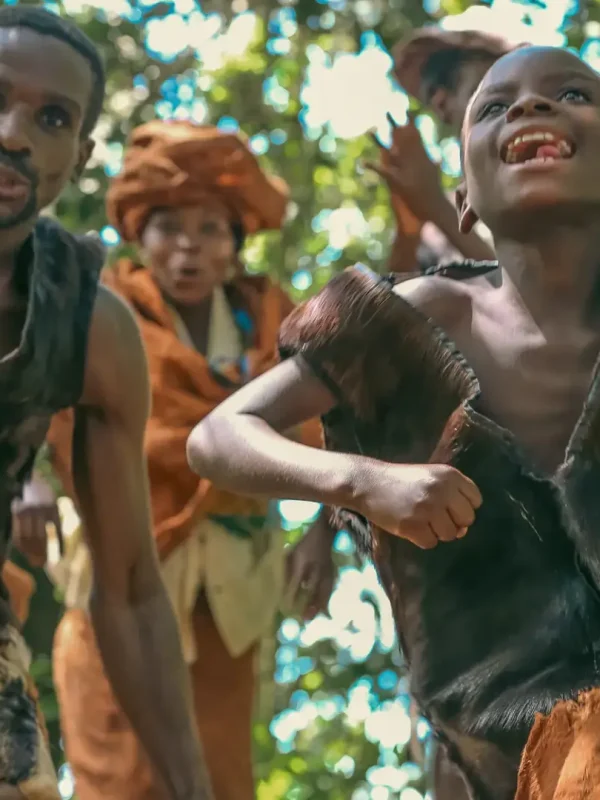
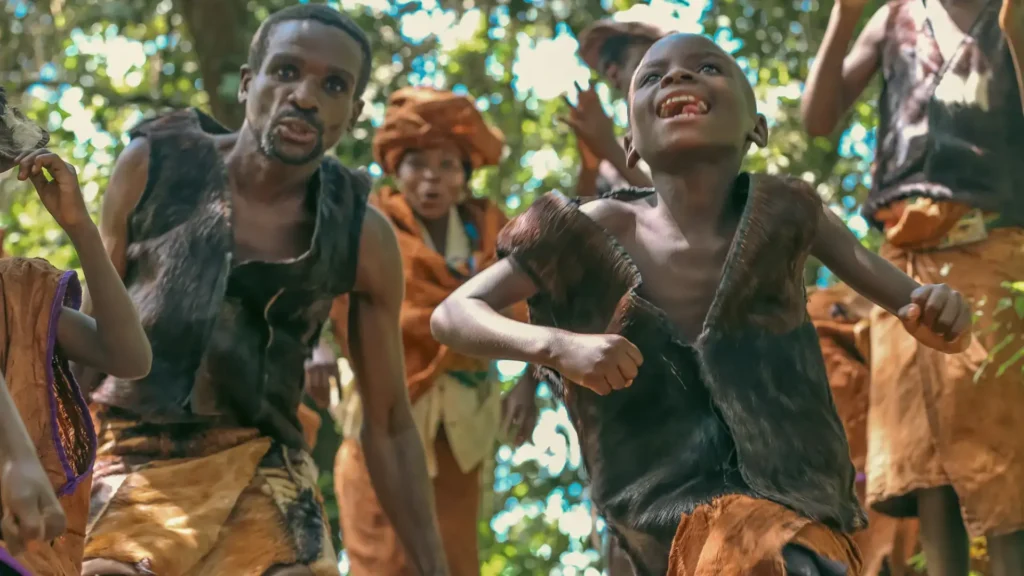
Instead of superficial tourist performances, we guide you to authentic, community-owned cooperatives—such as the Batwa cultural experiences or women's weaving groups. You buy directly from artisans, ensuring 100% of the profit remains with the creators.
Post-Tour
Transparent Ongoing Project Sponsorship
Our relationship doesn't end at the airport. A fixed portion of our annual company net profit is channeled into grassroots education funds, buying scholastic materials and school uniforms for children living in the high-altitude villages surrounding the gorilla parks.
Sustainability & Community Tourism FAQs
Who are the Batwa, and how does tourism affect them?
The Batwa are an indigenous hunter-gatherer community who lived harmoniously inside the high-altitude forests of Bwindi and Mgahinga for thousands of years. When the forests were gazetted as national parks in 1991 to protect the endangered mountain gorillas, the Batwa were evicted without land or compensation, creating severe socio-economic hardships. By participating in ethical, Batwa-led cultural forest walks, you directly pay them to preserve their ancient woodcraft, herbal medicine knowledge, and oral histories, creating a vital source of sustainable self-determination.
Can I bring school supplies, clothing, or books to donate directly to local children?
While the intent is wonderfully generous, handing out cash, candy, or physical goods directly to children on the side of the road inadvertently encourages begging and truancy from school. If you wish to donate supplies, let us know before your safari begins. We will arrange a formal, respectful visit to a registered local school headmaster or community clinic administrator where your donations can be distributed equitably and systematically.
Does gorilla tracking stress or harm the animals over time?
Wildlife authorities strictly regulate tracking to prevent psychological and environmental stress. A single gorilla family can only be visited by one group of maximum 8 people per day, and the encounter is capped at a strict 1-hour limit. The tracking windows are limited to morning hours, leaving the gorillas completely undisturbed during their crucial afternoon foraging, socializing, and nest-building periods.
How do carbon offsets work on your safaris?
Because international long-haul flights emit significant carbon dioxide, we work to mitigate your local ground transport footprint. We carefully design our itineraries to reduce unnecessary backtracking and long driving distances. Furthermore, we actively encourage our guests to participate in community-led tree planting initiatives during their stay, which reforest degraded buffer zones surrounding the national parks.
How can I ensure that the crafts I buy are locally made?
Unfortunately, some souvenir shops in major cities import generic items. When traveling with us, our guides stop exclusively at verified village market stalls, community craft cooperatives, and lodge-supported workshops. When you purchase a hand-woven basket or a hand-carved gorilla sculpture in these zones, you are buying a piece made by a resident artisan sitting just feet away from you.
Want to build a purposeful, deeply impactful safari itinerary?
Get in touch with our elite East African safari designers today to secure your exclusive permit access and craft your sustainable gorilla safari itinerary.
Email the Safari Specialist: info@ugandarwandatours.com →
Direct Consultant WhatsApp Line: Chat with a Safari Consltant →
✓ 100% Guaranteed Primate Permits | ★ Licensed Uganda Tour Operator | 🌍 Proud Member of the Uganda Tour Operators Association (AUTO)
 24/7 Customer SupportAdventure ToursAirport TransfersTravel InsuranceLocal Tour Guides Custom ItinerariesPrivate ToursGroup ToursCultural ExperiencesAccommodation Booking
Alert: You are not allowed to copy content or view source !!